How to Choose Crystals Online: A Practical Aerse Checklist

Choosing crystals online is easier when the decision starts with what you can actually verify: color, transparency, internal formation, scale, product photos, and how the piece will fit into your wardrobe. Search results often jump straight from crystal names to long lists of meanings, but a better shopping path is more practical. First identify the look. Then compare the product details. Finally decide whether the symbolic meaning feels personal enough to wear often.
This Aerse guide is written for readers searching how to choose crystals, types of crystals, crystal identification, and crystal formations before buying a bracelet or pendant. It uses crystal meaning as supportive language only. A crystal can be a beautiful personal cue, a styling choice, or a gift message, but it should not be treated as a promise about health, relationships, money, or fixed life outcomes.
Quick Answer: What Should You Check First?
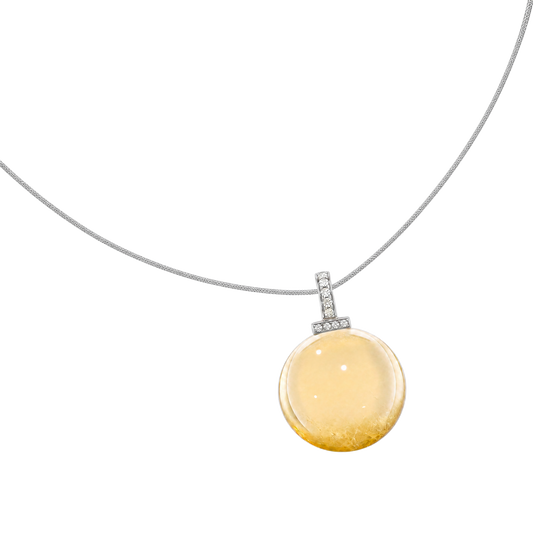
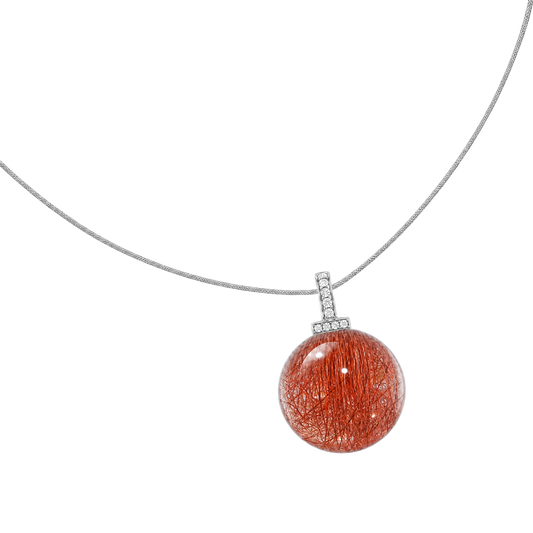
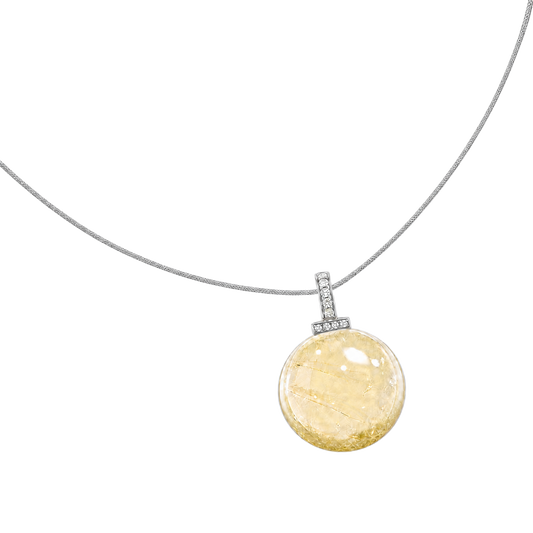
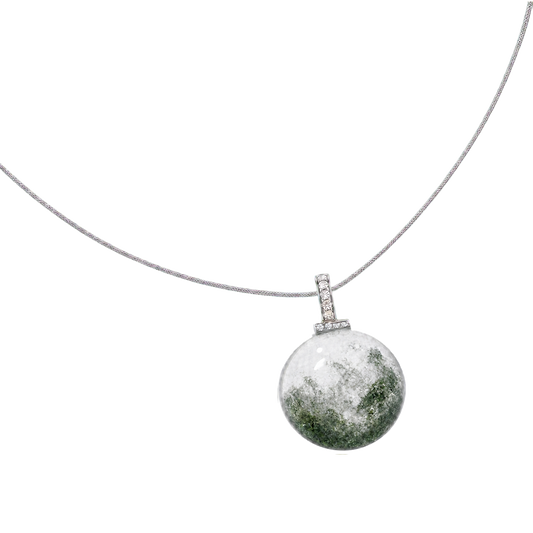
When choosing crystals online, check five things in order: the visible color family, the crystal formation, the clarity or opacity, the product scale, and the styling role you need the piece to play. A clear or pale crystal is usually the easiest daily choice. A threaded crystal such as Blue Needle Clear Quartz or Green Rutilated Quartz gives more internal movement. A layered crystal such as White Phantom Quartz feels softer and more dimensional.
If you are unsure, choose by repeat wear rather than by the longest meaning list. The best crystal for you is the one that fits your clothing, looks clear in the product photos, and carries a personal message you can describe in one simple sentence.
Use Color as the First Filter
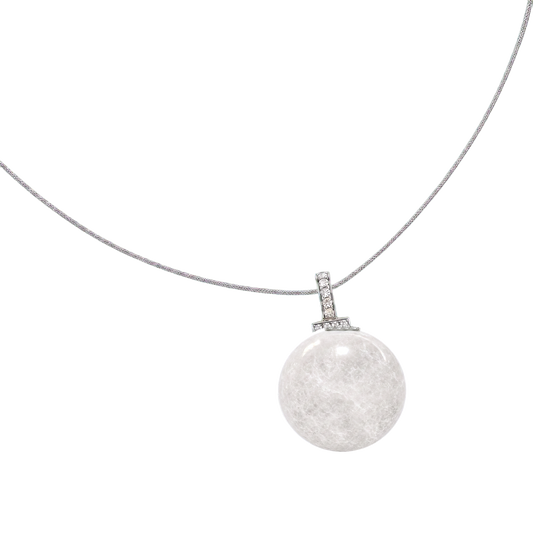
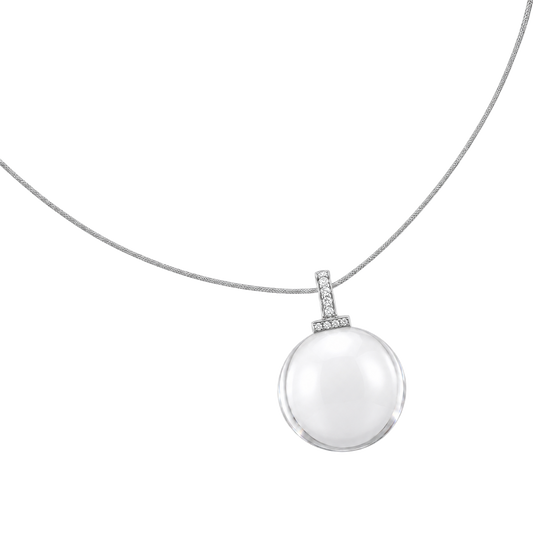
Color is the fastest way to reduce choice fatigue. Clear and white crystals work with the broadest range of outfits because they do not compete with black, denim, gray, navy, cream, or white. Clear Quartz is the cleanest Aerse starting point if you want a bright, simple crystal that can sit beside other stones.
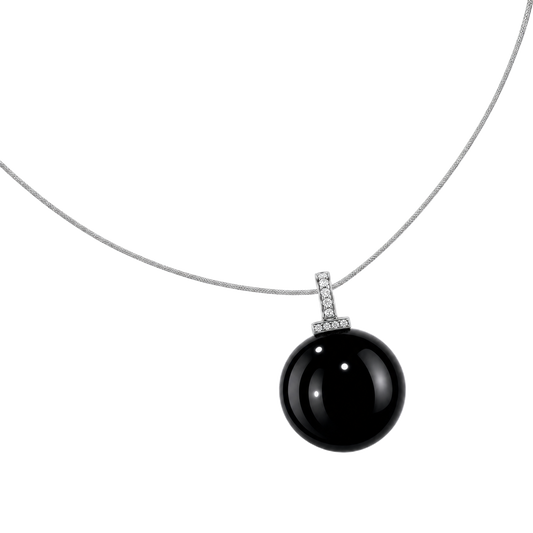
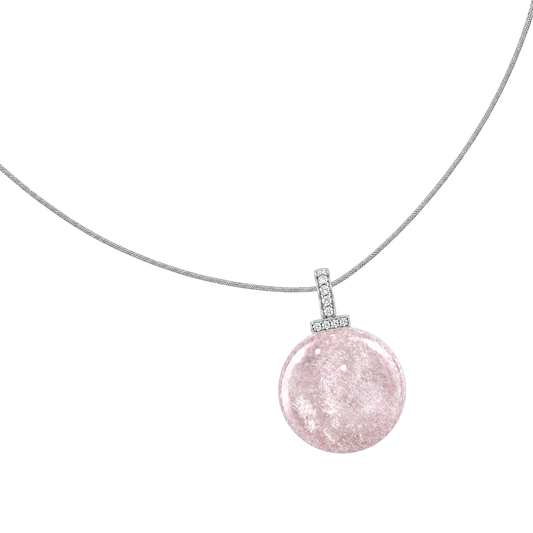
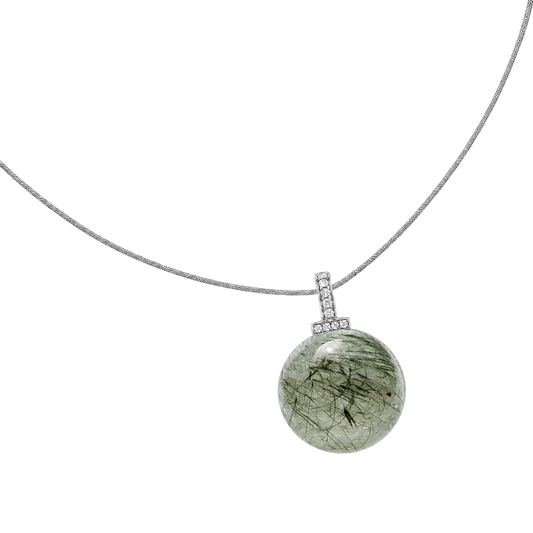
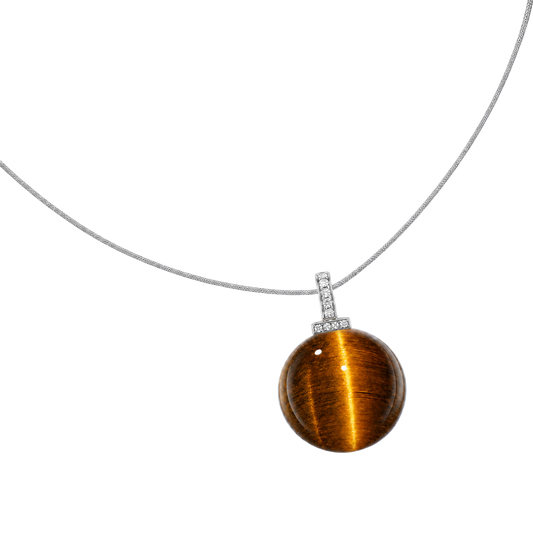
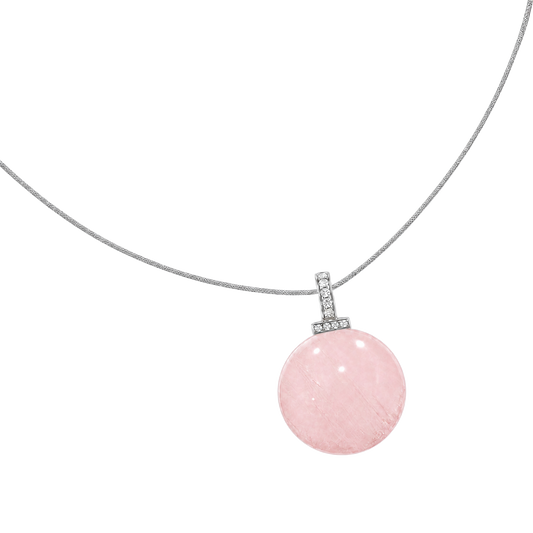
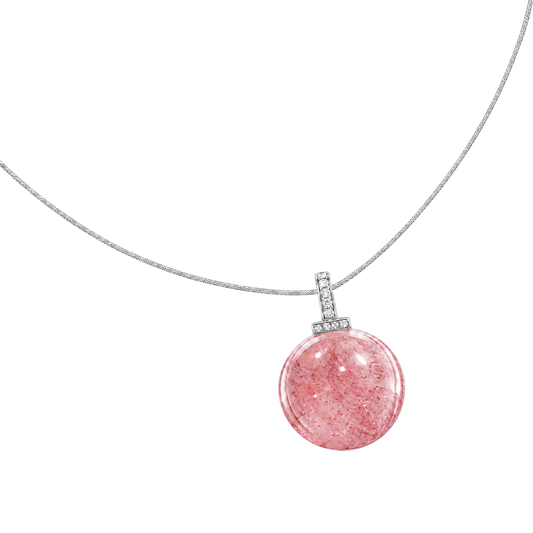
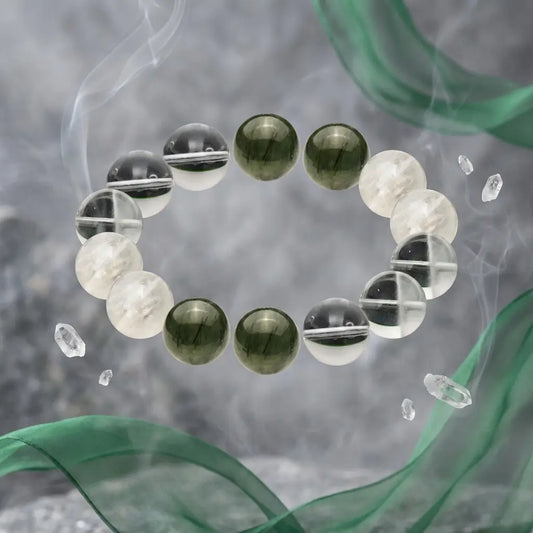
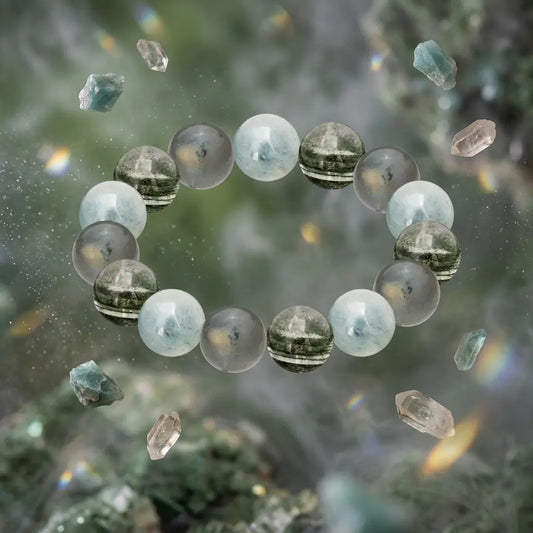
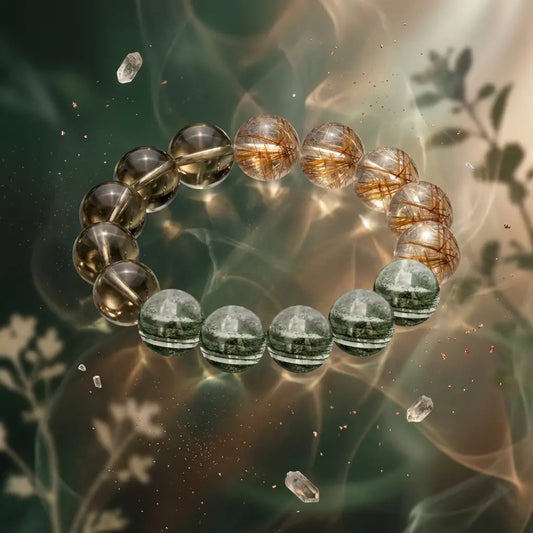
Green crystals are better when you want an earthy or botanical note. Green rutilated quartz reads more textured because the internal strands create visible linework. Pink crystals feel softer and more giftable; Madagascar Rose Quartz is useful when the color story matters more than strong contrast. Dark stones such as tiger's eye or obsidian create a more graphic focal point, especially with white shirts, tailoring, denim, or black knitwear.
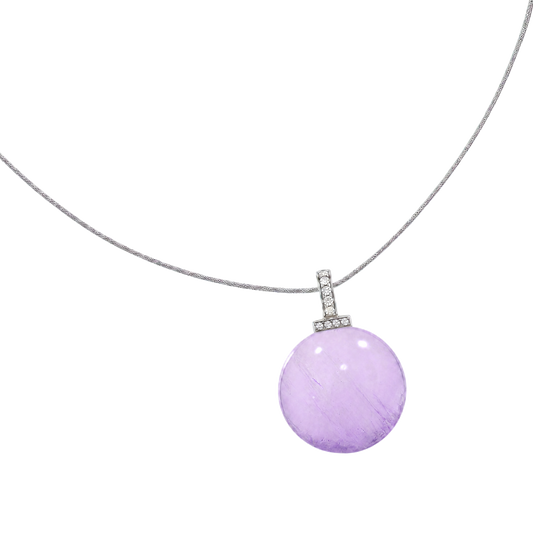
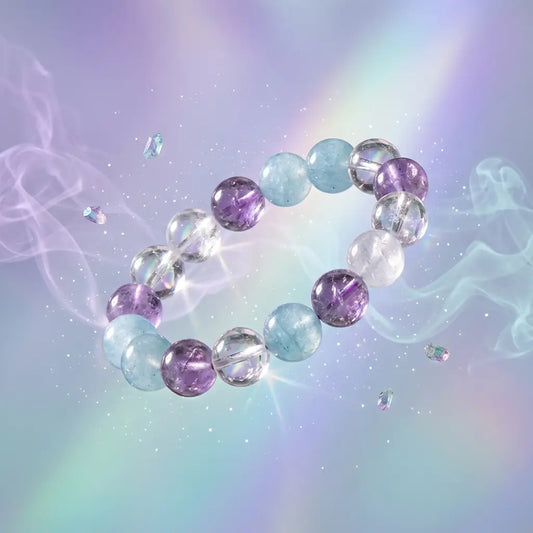
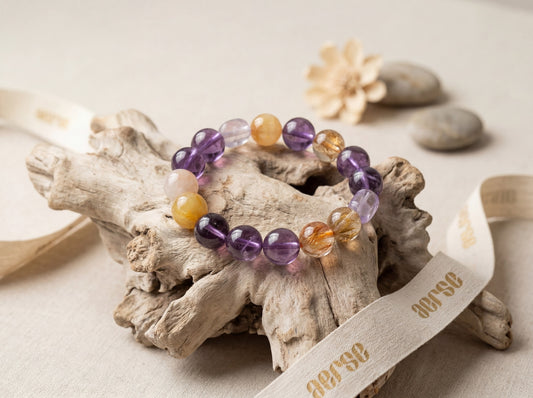
Color should narrow the search, not finish it. Two crystals can both look blue, green, or pink and still feel different because one is clear, one is cloudy, one has internal threads, and one reflects light more quietly.
Read the Formation Before the Meaning
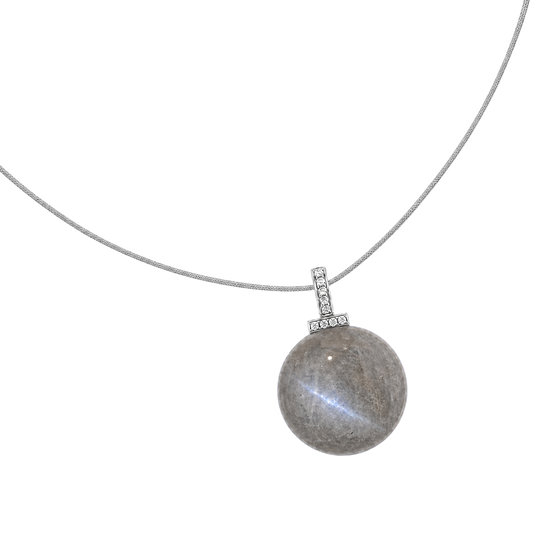
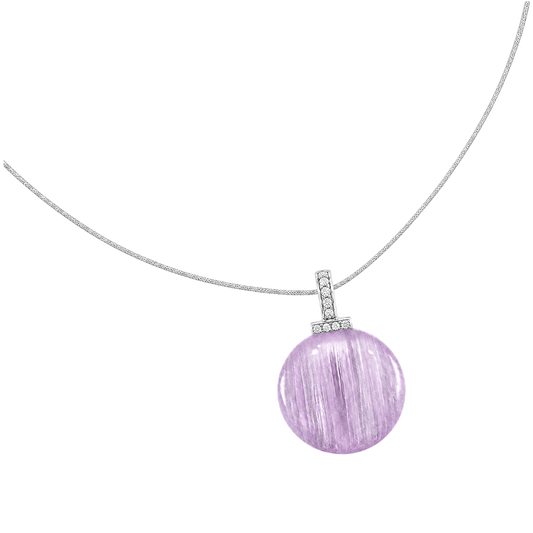
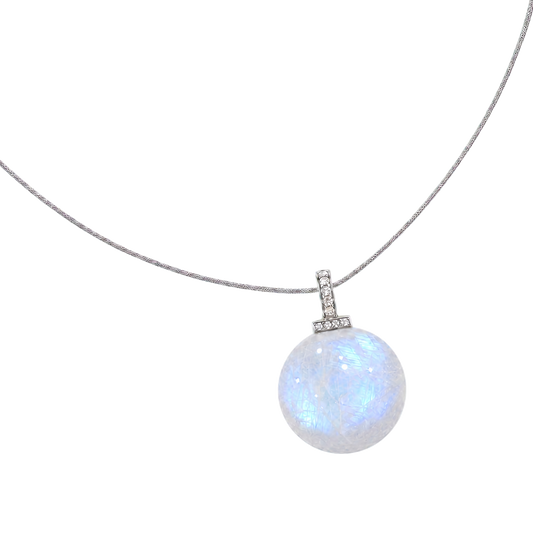
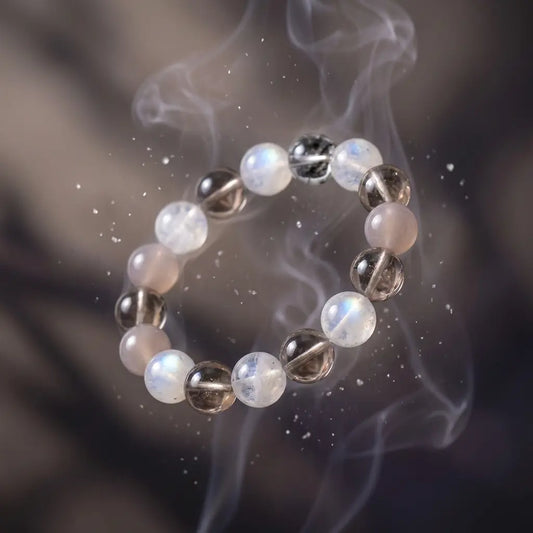
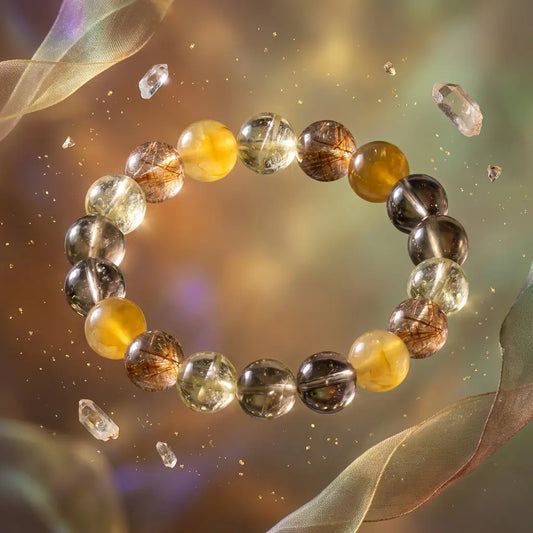
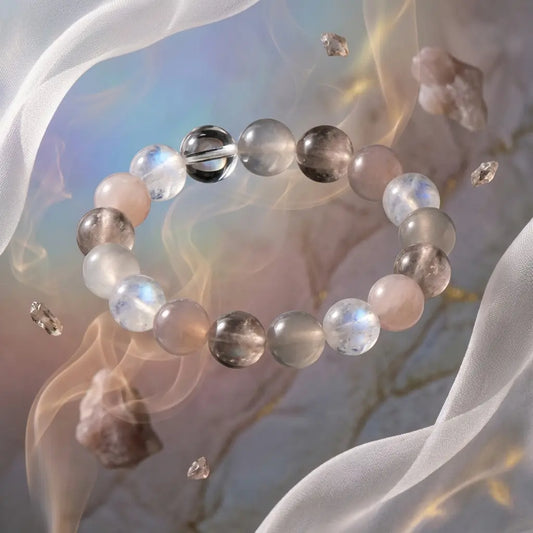
Crystal formation is one of the strongest clues in online photos. Rutilated quartz and needle quartz show fine internal lines. Phantom quartz shows layers, cloudy shapes, or a smaller landscape-like structure inside the stone. Moonstone is often recognized by a soft glow or shifting flash. Clear quartz is defined by brightness and relative simplicity.
This matters because formation changes the jewelry's visual role. A crystal with lines feels more active and detailed. A layered crystal feels more scenic. A transparent stone feels cleaner and easier to stack. If you are comparing several Aerse product pages, ask what the eye notices first: line, layer, glow, color, or clarity.
For example, Blue Needle Clear Quartz is a good choice when you want a cool-toned detail that may look subtle until the light catches it. White Phantom Quartz is better when you want pale depth and quiet texture. Green Rutilated Quartz is stronger when the outfit can support a visible natural thread effect.
Check Product Photos Like a Shopper, Not a Collector
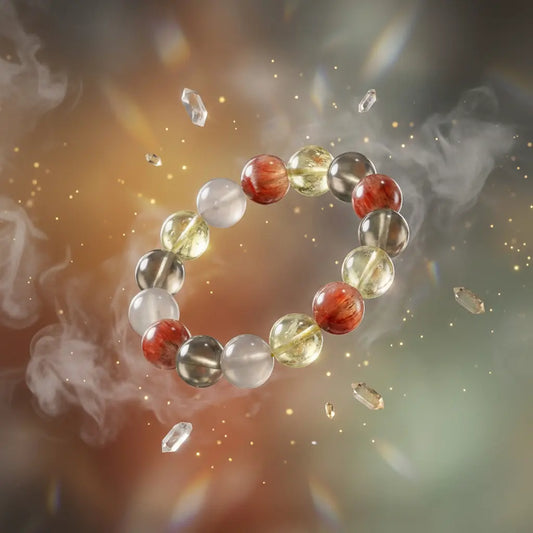
Online crystal shopping should be visual and practical. Look for multiple product photos, not just the most dramatic close-up. A macro image can show the stone's texture, but a worn image or scale image tells you whether the piece will feel delicate, graphic, bright, or understated in real life.
For bracelets, inspect whether the bead pattern looks consistent enough for your taste. Natural variation is normal, but the overall palette should still make sense. For pendant necklaces, look at how much space the crystal occupies near the neckline. A compact pendant can still feel bold if the color is high contrast or the inclusions are strong.
Also check whether the product name matches what you see. If a page says rutilated quartz, expect visible threads. If it says phantom quartz, expect internal layers or clouded scenery. If it says clear quartz, expect a cleaner transparent or translucent look. That simple name-to-photo check prevents many mismatched expectations.
Choose the Jewelry Role Before the Crystal Name
A crystal piece usually has one main role in an outfit. It can brighten the neckline, add contrast, bring color, create texture, soften a stack, or make a gift feel personal. Decide that role before you compare too many names.
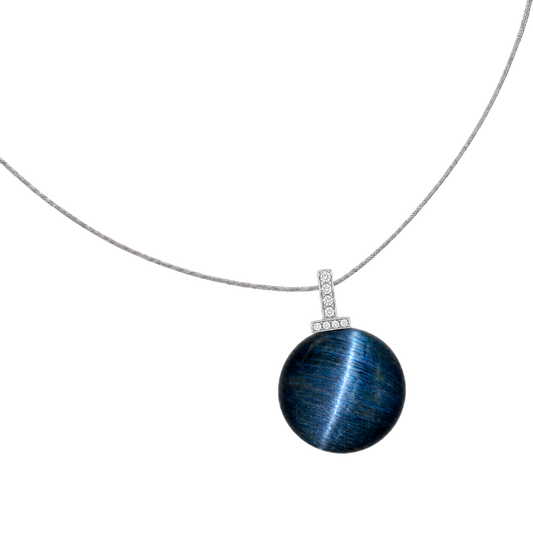
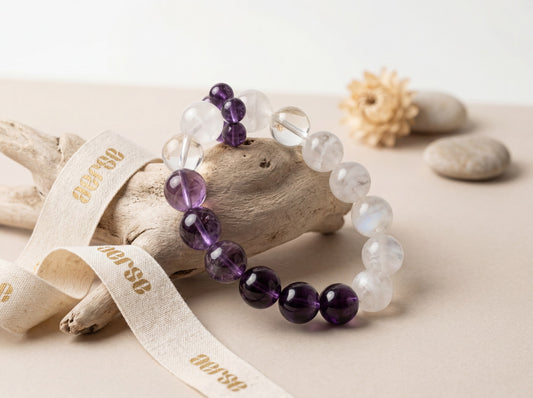
If the role is brightness, start with Clear Quartz or a pale crystal. If the role is texture, compare Blue Needle Clear Quartz, Green Rutilated Quartz, or White Rutilated Quartz. If the role is softness, compare Madagascar Rose Quartz or a moonstone-led bracelet. If the role is contrast, a darker pendant such as Blue Tiger's Eye Pendant Necklace can be more useful than another pale stone.
This approach is especially helpful for gifts. Instead of writing a large claim about what a crystal will do, choose a clear styling message: a bright stone for everyday simplicity, a threaded crystal for focus and detail, a rose quartz piece for softness, or a dark pendant for clean contrast.
Use Meaning as a Personal Cue
Many people enjoy crystals because the object gives a daily thought somewhere to land. That can be meaningful, but the language should stay careful. A crystal bracelet can remind someone to pause, begin again, dress with intention, or carry a quiet symbol through the day. Those are personal meanings, not promised results.
When comparing product pages, choose the meaning that sounds natural in your own words. If you cannot explain why the stone appeals to you without copying a long description, the visual fit may not be strong enough yet. The best purchase usually has both: a look you like immediately and a meaning you can keep simple.
Build a Small Aerse Rotation
A small crystal rotation is more useful than a crowded list of unrelated pieces. Start with one clear or pale option, one textured option, and one color or contrast option. That gives you enough range for workdays, weekends, travel, and gifts without making the choice complicated.
A practical Aerse path could be Clear Quartz for brightness, Blue Needle Clear Quartz for subtle internal detail, and Madagascar Rose Quartz for a softer color story. If your wardrobe leans earthy, swap the pink option for Green Rutilated Quartz. If you wear more tailoring, add a darker pendant such as Blue Tiger's Eye.
The goal is not to own every crystal type. The goal is to understand what each piece does visually, then choose the ones that can genuinely earn a place in your week.
FAQ
How do I choose a crystal if I am new to crystals? Start with color and wearability. Clear Quartz is the easiest neutral option, while rutilated, needle, and phantom quartz are better when you want visible internal texture.
What are the main crystal types to compare online? For Aerse shoppers, useful starting points include clear quartz, rutilated quartz, needle quartz, phantom quartz, moonstone, rose quartz, citrine, and tiger's eye. Compare the product photos before choosing by name alone.
How can I identify a crystal from a product photo? Look for the dominant visual feature. Threads suggest rutilated or needle quartz. Layers suggest phantom quartz. A soft shifting glow suggests moonstone. A clean transparent body suggests clear quartz.
Should I choose by crystal meaning? Meaning can help if it stays personal and symbolic. Choose a crystal because the look, product details, and personal cue all make sense together.
When you choose crystals online this way, the search becomes less vague. You are not trying to memorize every name at once. You are reading the color, the formation, the scale, and the styling role, then choosing the piece that feels clear enough to wear repeatedly.