Crystal Names by Color: A Bracelet Shopper's Guide

When shoppers search for crystal names by color, they are often trying to solve a simple problem: they saw a clear, yellow, blue, pink, or purple stone and want to know what it might be called before choosing a bracelet. That search can quickly become overwhelming because crystal names, trade names, color variations, and symbolic meanings often overlap.
This Aerse guide keeps the process practical. Instead of asking one crystal to promise a result, use color as a first filter. Color helps you compare what a bracelet will look like on your wrist, how it will work with your wardrobe, and which symbolic language feels natural to you. From there, product pages can help you check the actual stone, bead texture, and styling mood.
The goal is not perfect mineral identification from a photo. It is a useful shopping map for natural crystal bracelets: clear and white for easy layering, yellow and gold for warmth, blue for cooler palettes, and pink or purple for softer, more expressive pieces.
How to use color without overthinking crystal meanings
Color is the fastest way to narrow a crystal bracelet choice, but it should not be the only factor. Two stones can share a similar color and still feel very different because of transparency, inclusions, flash, bead size, or the way they are combined with other crystals. A pale stone can look minimal and quiet. A stone with internal needles, shimmer, or layered texture can feel much more distinctive.
Start with three questions. First, is the color warm, cool, neutral, or high contrast? Second, does the stone look clean, cloudy, luminous, or textured? Third, would you wear that color with your real clothes more than once? Those questions are more helpful than trying to memorize every possible crystal meaning at once.
Meaning can still support the choice. Many Aerse shoppers enjoy crystals as personal intention jewelry, zodiac jewelry, or symbolic gifts. The safest way to use that language is as a personal cue, not a guaranteed outcome. A bracelet can remind you of clarity, softness, confidence, calm, or growth without claiming to create those things for you.
Clear and white crystals: clean, neutral, and easy to layer
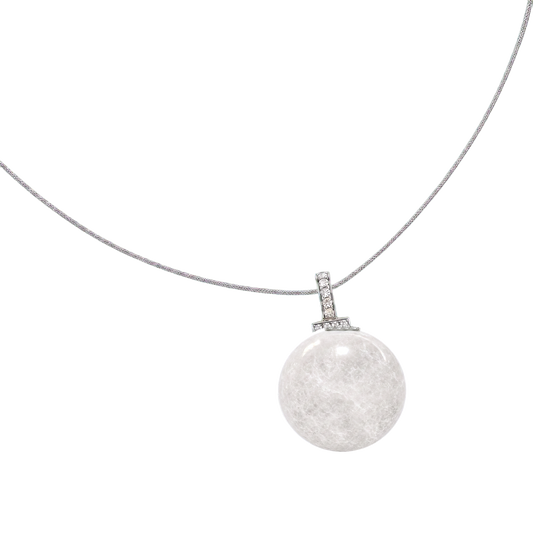
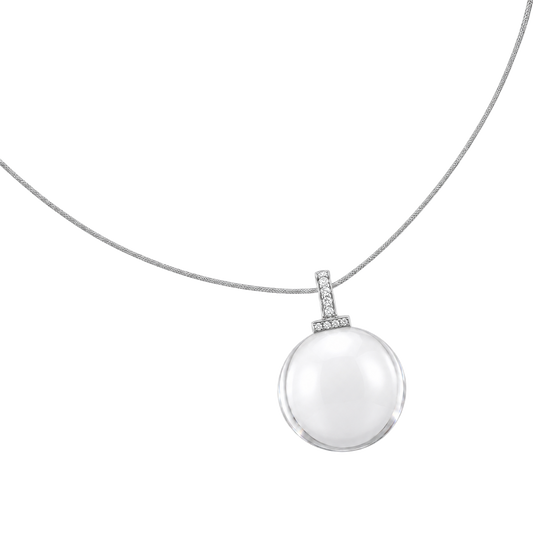
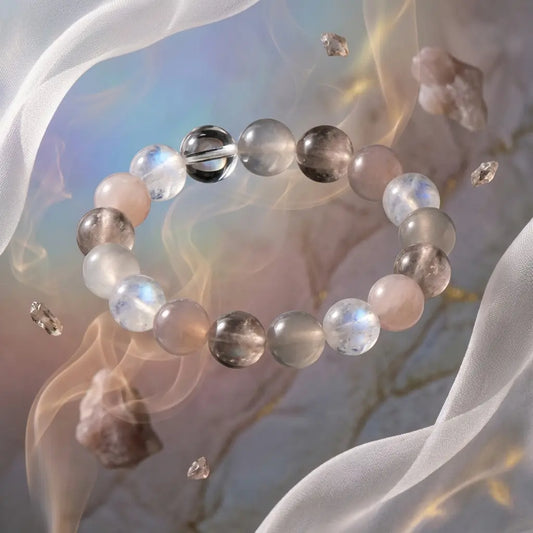
If the stone looks clear, icy, milky, or white, start by comparing quartz-based options. Clear Quartz is the most straightforward example in the Aerse catalog. It works well for shoppers who want a bracelet that feels clean, minimal, and easy to repeat with different outfits.
Clear and white crystals are useful because they do not compete heavily with clothing color. They pair with black, navy, denim, white shirts, soft grey, cream, and summer linen. They also layer easily with warmer or cooler stones, which makes them a smart first bracelet if you are not sure which color family you prefer.
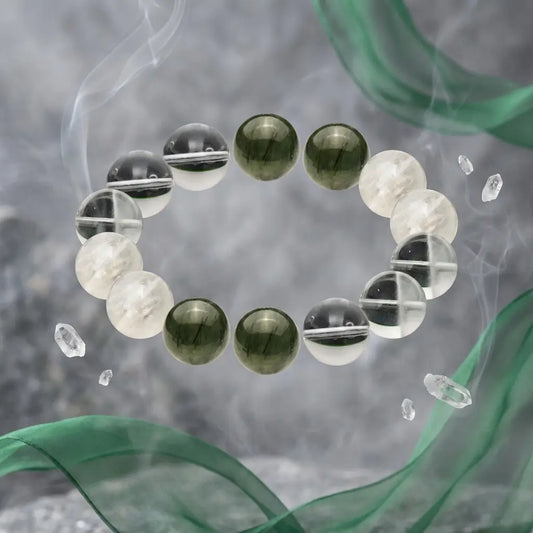
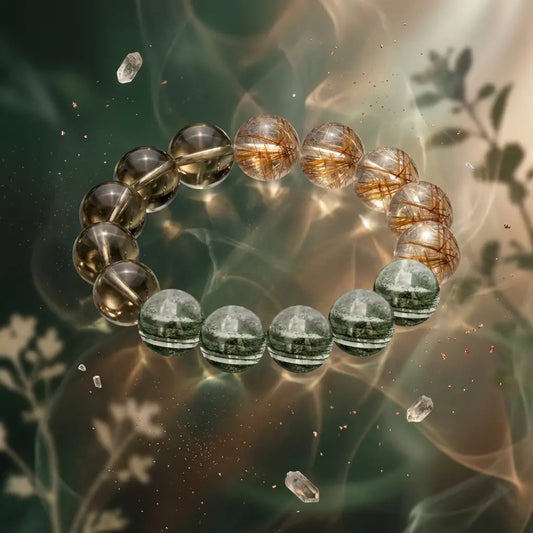
Look closely at transparency. A very clear stone feels polished and simple. A cloudier or internally textured stone can look softer and more organic. If you like the neutral feeling but want more visual detail, compare clear quartz with rutilated quartz styles, where fine internal lines add movement inside the bead.
Yellow and gold crystals: warmth, brightness, and visible energy
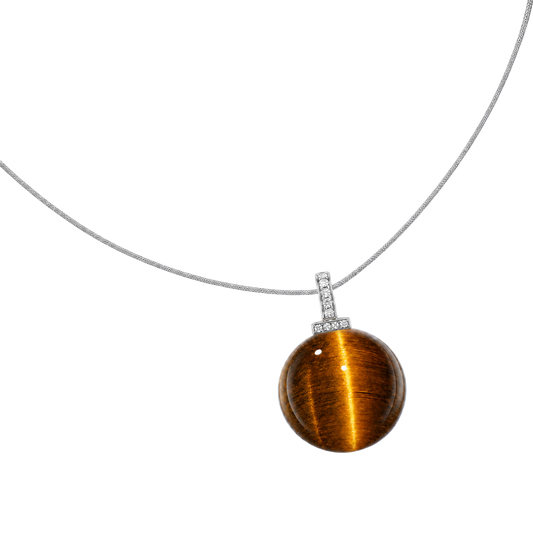
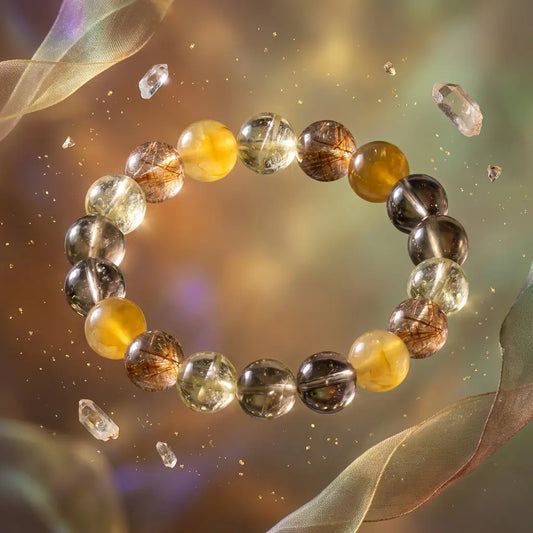
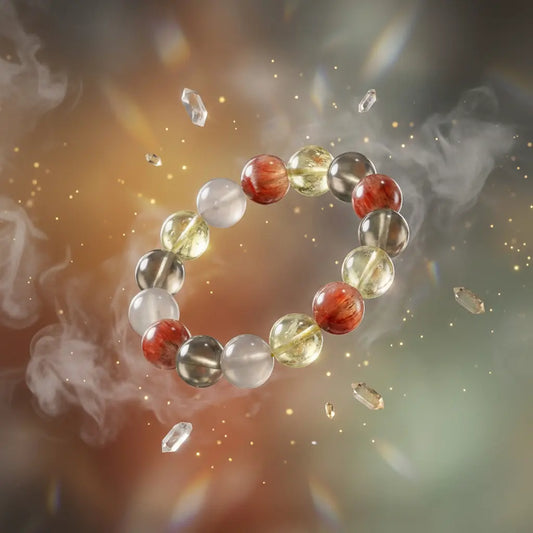
Yellow and gold stones usually create a warmer bracelet mood. If you are identifying a sunny crystal, start with Citrine, Lemon Citrine, Yellow Rutilated Quartz, and Gold Rutilated Quartz. These options can sit near each other in search behavior, but they do not style the same way.
Citrine and lemon citrine are good choices when you want warmth without a heavy look. Lemon citrine tends to feel lighter and fresher, while deeper citrine can read richer and more golden. Rutilated quartz adds a different detail: fine internal strands that catch the eye and make the bracelet feel more textured.
Use yellow and gold crystals when you want the bracelet to be more visible. They work well with white, ivory, tan, olive, chocolate, black, and gold-tone jewelry. In symbolic language, these colors are often connected with optimism, brightness, and momentum. Keep that as styling language and personal meaning, not a promise about money, success, or fixed results.
Blue crystals: cool color stories for summer and travel
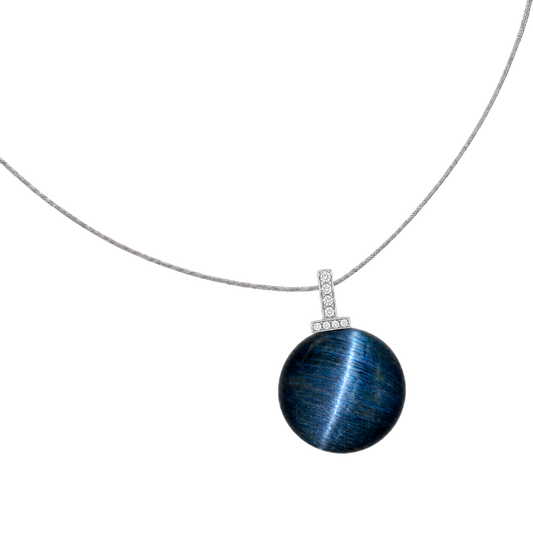
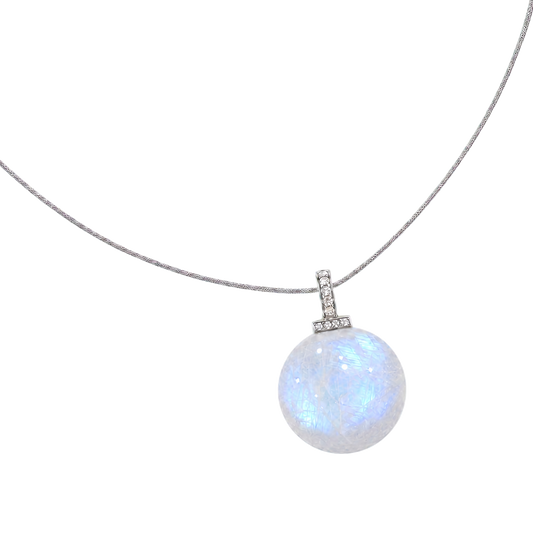
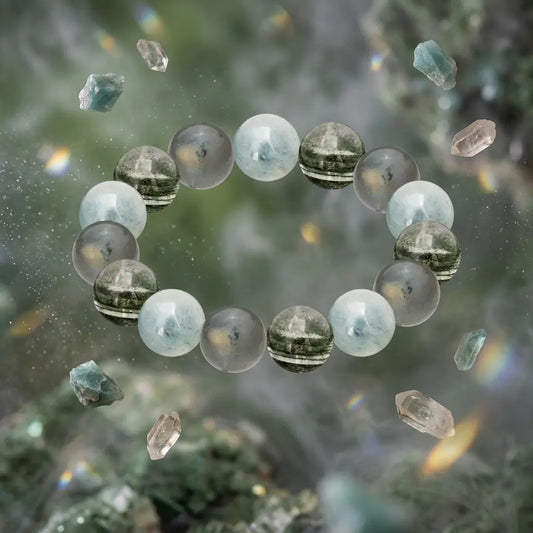
Blue stones cover a wide range of moods, from watery and translucent to bright, deep, or internally textured. If your crystal looks cool, airy, or softly luminous, compare Blue Moonstone and Aquamarine. If it has visible needle-like structure inside the stone, Blue Rutilated Quartz is another useful comparison.
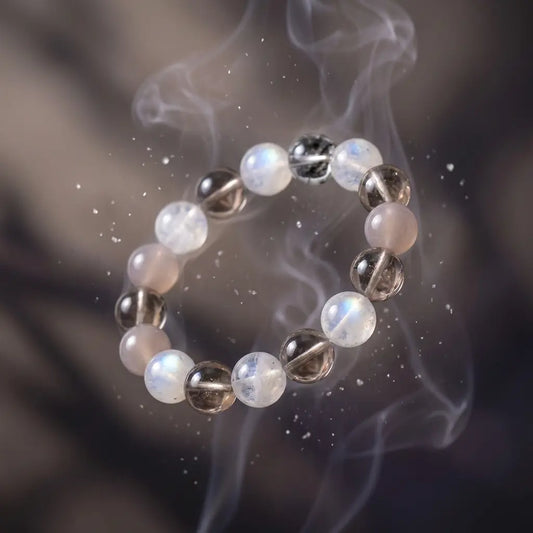
Blue moonstone is known for a soft flash that changes with light. Aquamarine usually reads clearer and more watery. Blue rutilated quartz feels more graphic because the inclusions add lines and texture. These differences matter when you are shopping from photos, because the same broad color family can create very different bracelet experiences.
Blue crystals are especially easy to wear in summer travel wardrobes. They pair with white, pale grey, denim, navy, soft blue, and silver-tone details. If you want a mixed bracelet rather than a single-stone page, the Cancer's Bracelet combines moonstone, aquamarine, and clear quartz in a cooler, softer palette.
Pink and purple crystals: softer gifts and reflective stacks
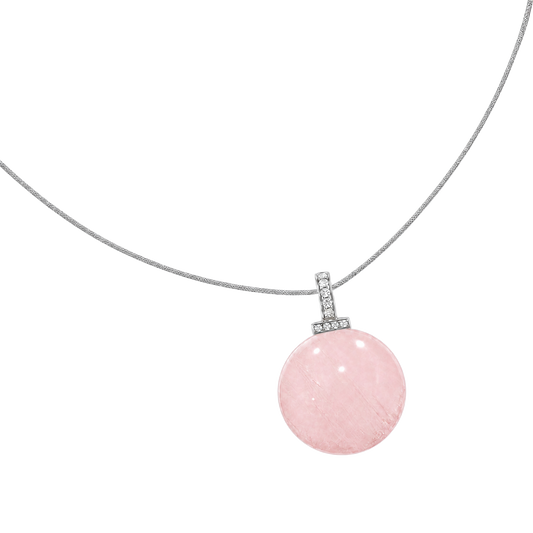
Pink stones often appear in searches around rose quartz, love-themed jewelry, and gentle everyday bracelets. Aerse's Madagascar Rose Quartz is a direct place to start if you want a pink crystal reference. For a wearable bracelet example, the Libra's Bracelet combines rose quartz and clear quartz in a soft, giftable color story.
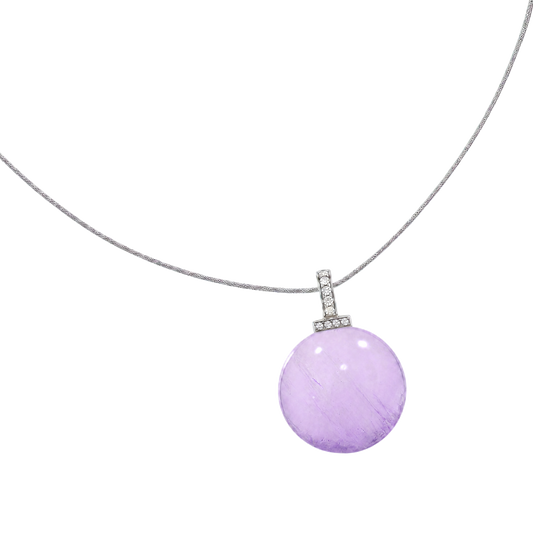
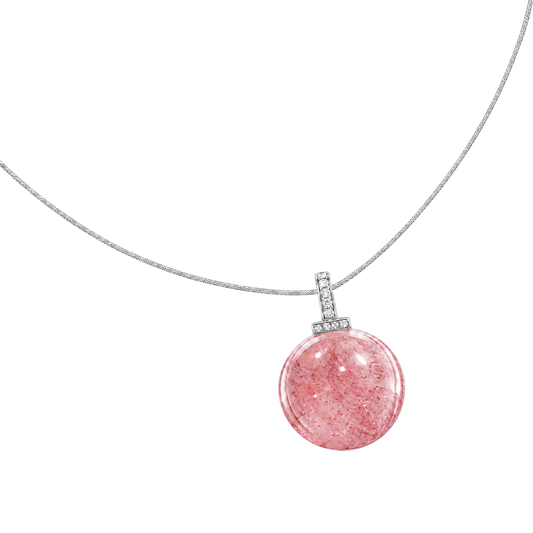
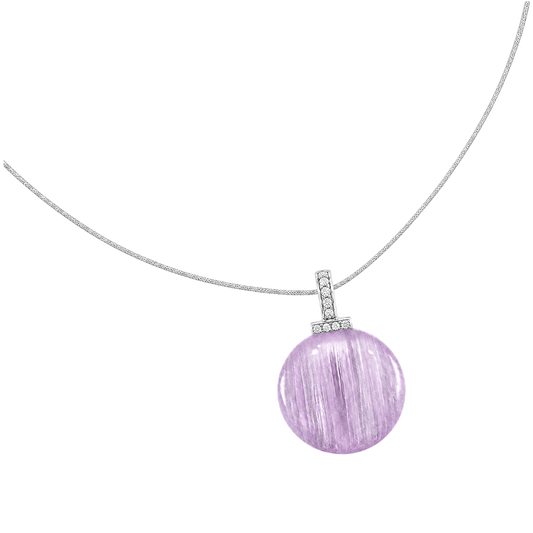
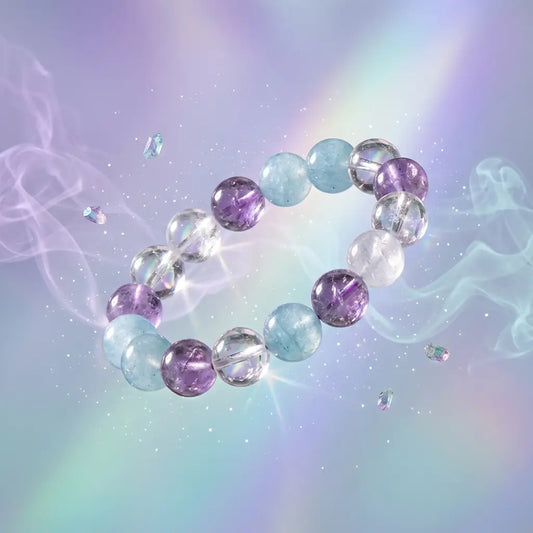
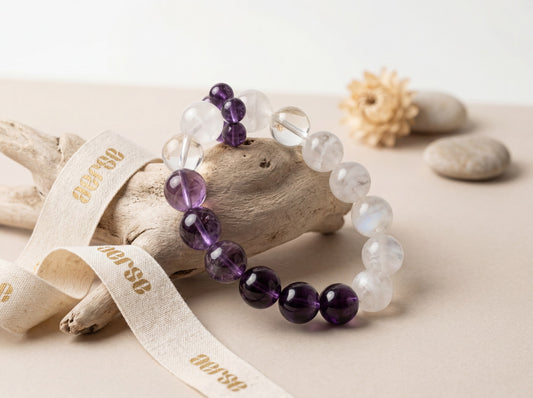
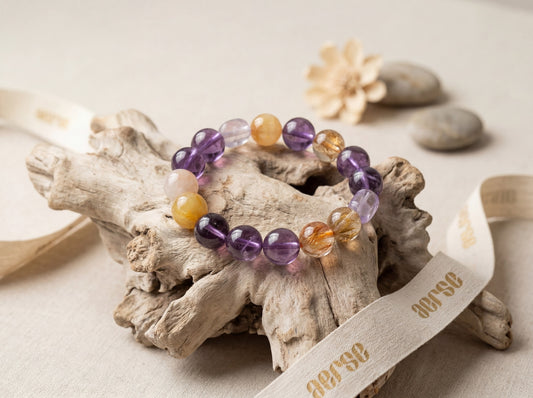
Purple stones often point shoppers toward amethyst or amethyst-led combinations. The Pisces's Bracelet uses amethyst with moonstone and phantom quartz for a cooler, layered mood. The Virgo's Bracelet brings pink snow phantom quartz, amethyst, and clear quartz into a more delicate stack.
Pink and purple crystals are good choices when the bracelet is meant to feel personal, thoughtful, or expressive without being loud. They style well with cream, soft grey, black, faded denim, blush, lavender, and quiet neutrals. They also work well as gifts because the color itself carries a softer message even before the recipient reads the product description.
How to identify a crystal bracelet from photos
Product photos can tell you more than color alone if you know what to check. Look for transparency first. Clear stones let light pass through easily, while cloudy stones look softer and more diffused. Then look for internal structure. Threads or needles may suggest rutilated quartz. Layered shapes may suggest phantom quartz. A moving blue-white glow may point you toward moonstone.
Next, compare saturation. Lemon citrine and deeper citrine can both look yellow, but one may feel pale and bright while the other feels richer. Rose quartz can range from barely pink to more visibly rosy. Amethyst can look soft lavender, deep violet, or mixed into a bracelet with other stones that change the overall mood.
Finally, read the product page before deciding. Aerse product pages give you the confirmed product name, stone mix, and bracelet styling context. That matters because crystal names by color are useful for discovery, but the product name is what you should rely on when choosing a specific piece.
Quick color-to-crystal guide
Use this shorthand when you are trying to name a crystal bracelet by color:
- Clear or white: start with Clear Quartz, white quartz styles, or light rutilated quartz.
- Yellow or gold: compare Citrine, Lemon Citrine, Yellow Rutilated Quartz, and Gold Rutilated Quartz.
- Blue: compare Blue Moonstone, Aquamarine, and Blue Rutilated Quartz.
- Pink: compare Rose Quartz, Madagascar Rose Quartz, and rose-quartz bracelet blends.
- Purple: compare Amethyst-led bracelets or amethyst mixed with moonstone and phantom quartz.
This is a starting point, not a final identification system. Natural crystals vary, product photography varies, and many bracelets combine several stones in one design. The best choice is the one whose color, texture, and product story all make sense together.
Common questions about crystal names by color
What is the easiest crystal color for a first bracelet?
Clear, white, and softly neutral stones are usually easiest because they work with the widest range of outfits. Clear quartz is a simple first reference point.
Which yellow crystal should I compare first?
Start with citrine if you want a classic warm yellow crystal. Compare lemon citrine for a lighter tone and rutilated quartz if you want visible internal texture.
What blue crystal looks softly luminous?
Blue moonstone is a strong comparison if the stone has a shifting glow. Aquamarine is better if the look is clearer, cooler, and more watery.
Are pink and purple crystals only for gifts?
No. They are popular for gifting, but they also work well for everyday styling if you like softer color and a more personal bracelet mood.
Can color tell me the exact crystal name?
Not always. Color helps narrow the field, but transparency, inclusions, flash, and the verified product description are what make the choice reliable.
When in doubt, choose by sight first. Pick the color family you already enjoy wearing, compare the texture up close, and let symbolic meaning stay supportive. That approach makes crystal names easier to understand and helps you choose a bracelet that feels useful beyond a single search.