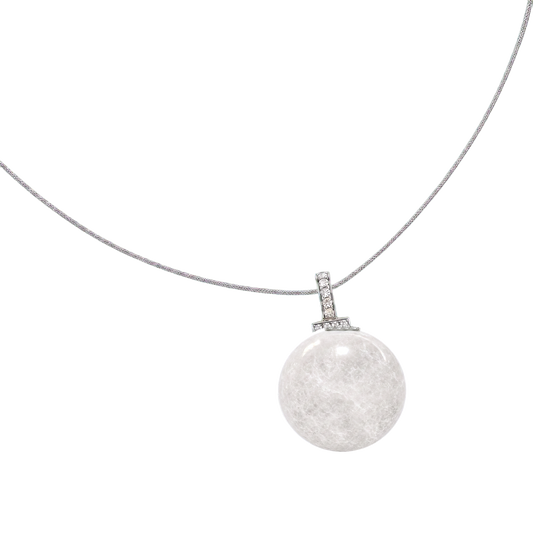
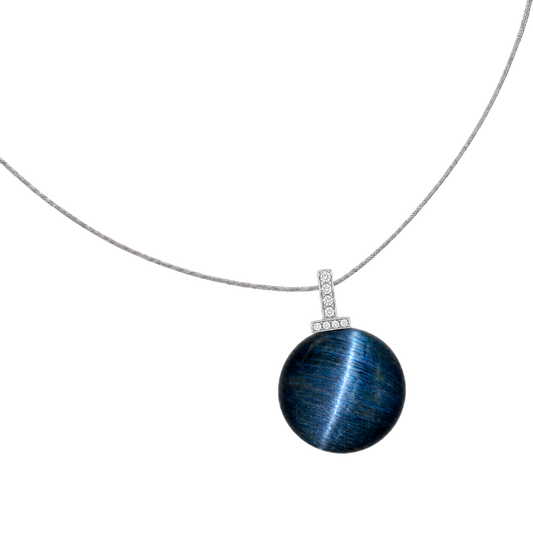
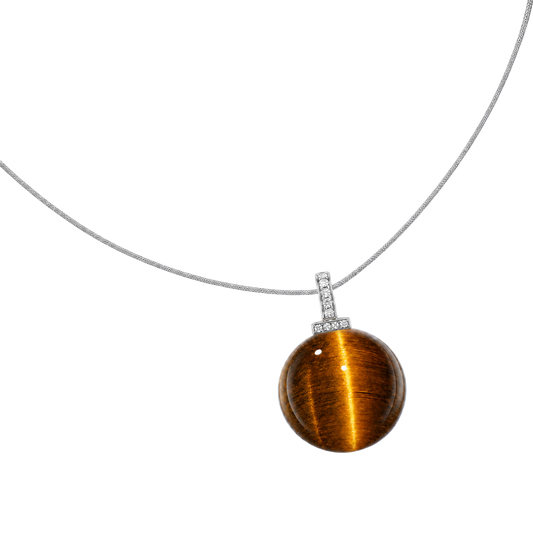
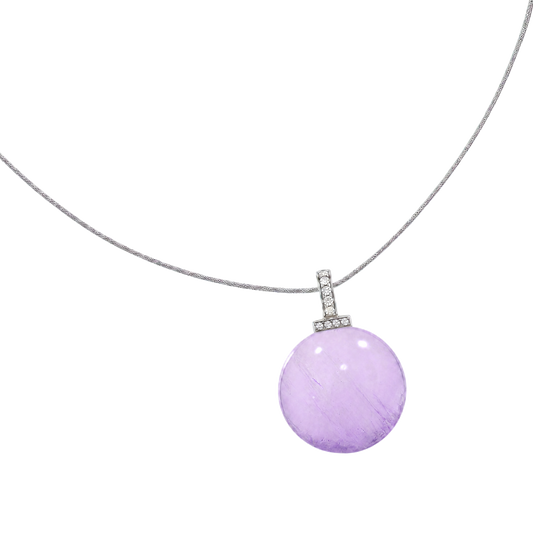
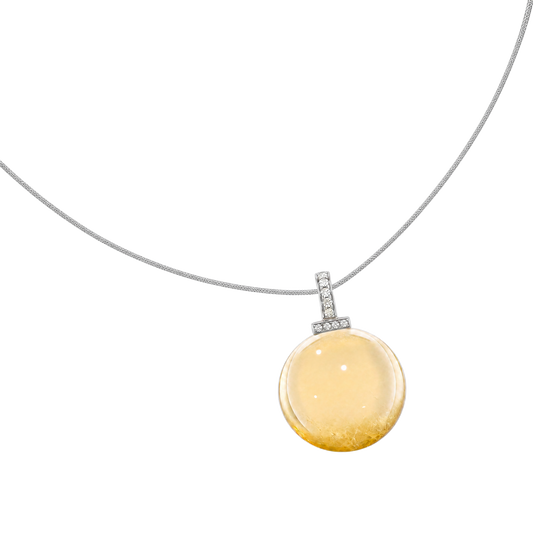
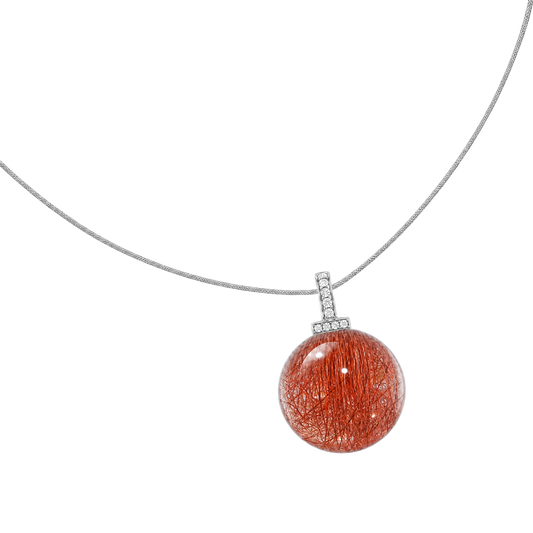
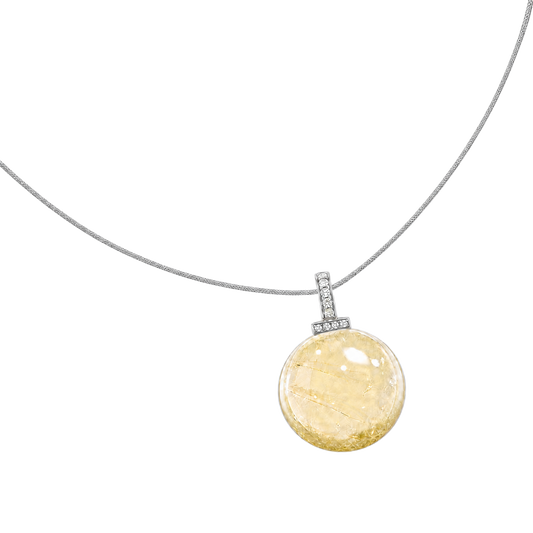
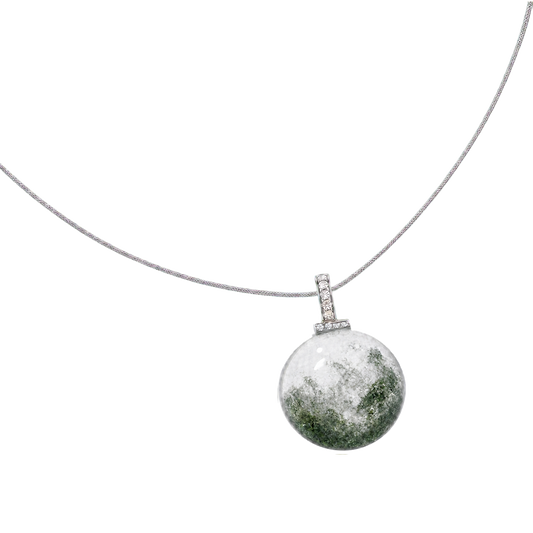
Crystal Configuration Meaning Chart: Rutile, Phantom, Needle

Crystal configuration is a practical search phrase for the visible structures inside a stone: threads, layers, clouds, points, veils, color zones, and clear windows. For bracelet shoppers, configuration often matters more than a long list of symbolic meanings because it gives you something concrete to compare. You can look at the bead, notice the internal pattern, and decide whether the piece feels clean, layered, soft, graphic, bright, or quiet.
This Aerse guide is built for readers who search crystal configurations, crystal formations, crystal types, or how to choose crystals and want a simple visual map. It uses careful symbolic language only. Crystals can be meaningful as personal objects, style markers, and ritual reminders, but this article does not promise health, relationship, career, or money outcomes.
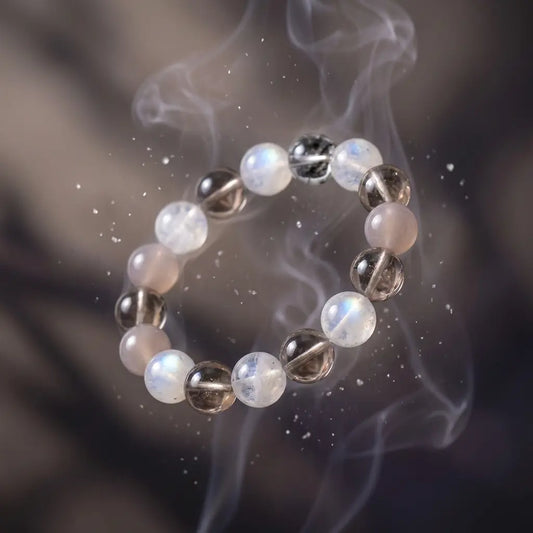
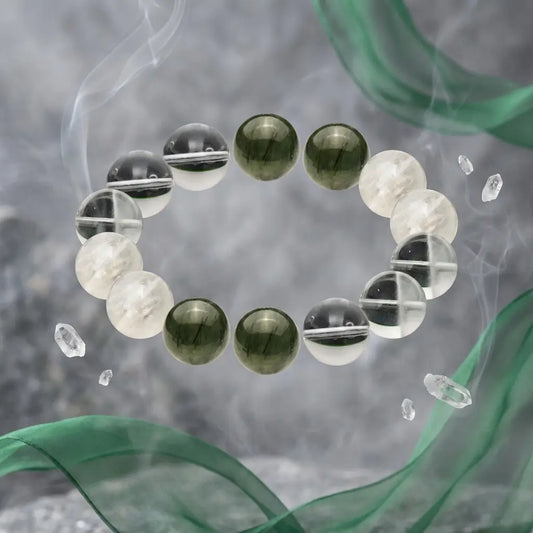
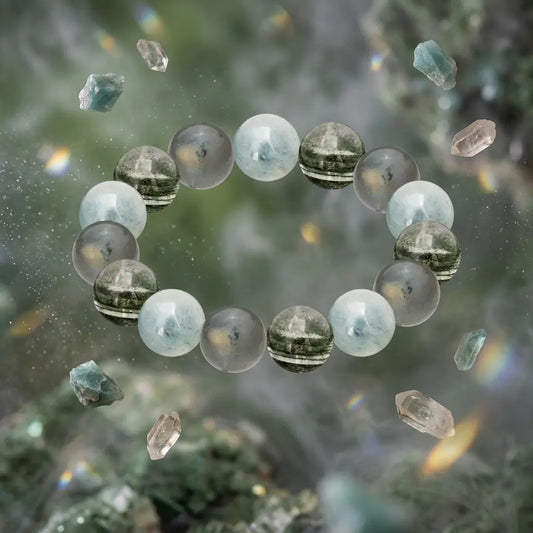
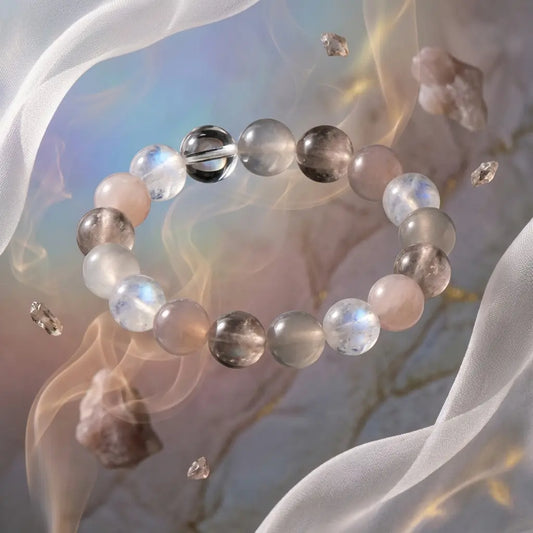
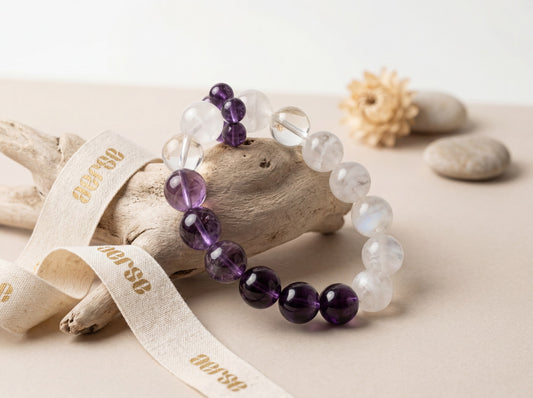
If you want to compare real Aerse examples while reading, start with the The Visionary's Path Bracelet for blue needle and phantom contrast, the The White Sanctuary Stack Bracelet for pale layered textures, and the Green Rutilated Quartz product page for fine green internal strands.
Quick Answer: What Is a Crystal Configuration?
A crystal configuration is the visible internal or external pattern that makes a crystal recognizable beyond its color. In jewelry language, it can describe needle inclusions, rutile threads, phantom layers, cloudy veils, clear zones, garden-like specks, or a combination of these features inside one bead. The term overlaps with crystal formations, but formation can also refer to the natural growth shape of a crystal point, cluster, or geode. Configuration is especially useful when shopping bracelets because most beads are polished into similar shapes, so the inside pattern carries the visual difference.
For Aerse shoppers, the easiest way to use configuration is to ask three questions. First, is the pattern linear, layered, clouded, or mostly clear? Second, is the color cool, warm, neutral, or mixed? Third, do you want the bracelet to read as minimal from a distance or highly detailed up close? Those three answers usually narrow the choice faster than memorizing every crystal name.
Crystal Configuration Meaning Chart
| Configuration | What to Look For | Style Impression | Aerse Example |
|---|---|---|---|
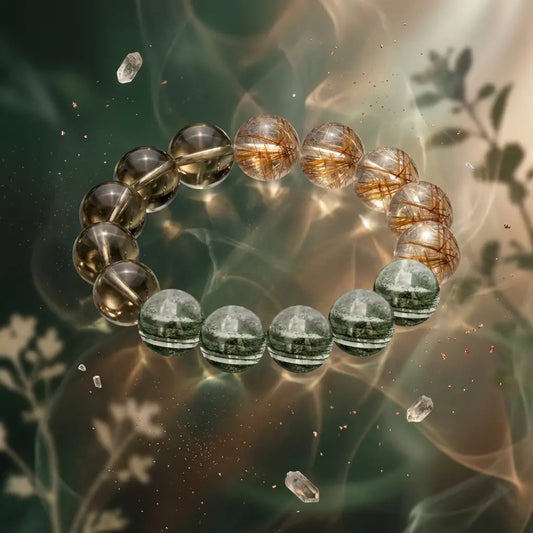
| Rutilated quartz | Fine thread-like lines suspended inside clear or tinted quartz | Graphic, directional, energetic, detailed | Green Rutilated Quartz or White Rutilated Quartz |
| Needle quartz | Long, delicate needles that may appear subtle until light hits the bead | Cool, precise, airy, quietly unusual | Blue Needle Clear Quartz |
| Phantom quartz | Layered shapes, ghosted outlines, mountain-like bands, or garden-like internal scenes | Dimensional, story-rich, collected, atmospheric | Skyline White Phantom |
| Clear quartz | Transparent or translucent body with minimal visible inclusions | Clean, versatile, bright, easy to stack | Clear Quartz |
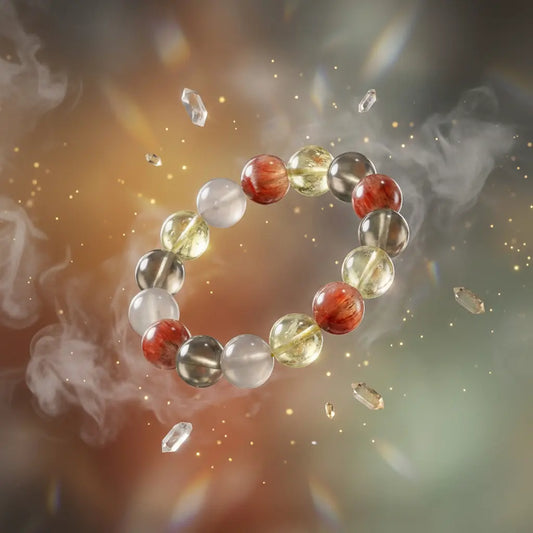
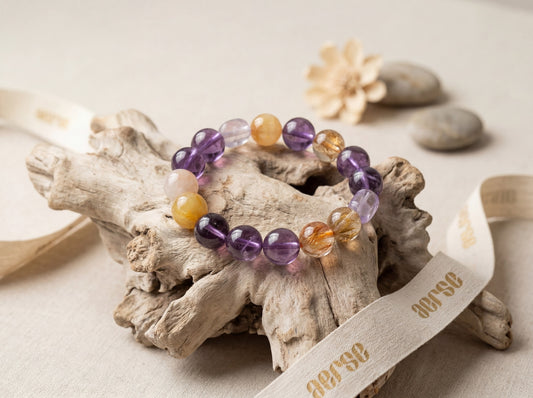
| Mixed configuration bracelet | Several crystal structures in one composition | Curated, layered, more expressive | The Visionary's Path Bracelet |
Use the chart as a visual guide, not a rulebook. Two stones with the same name can look very different because natural inclusions vary from bead to bead. That variation is part of the appeal, especially for shoppers who want a bracelet with details that are visible only at close range.
How Rutile, Phantom, Needle, and Clear Quartz Differ
Rutilated quartz is easiest to identify by its internal lines. The strands may look gold, green, white, red, or dark depending on the mineral inclusions and the lighting. In bracelet styling, rutilated beads bring movement. They work well when you want a piece that feels more textural than a plain color bracelet. A cool green strand can sit naturally with silver, white shirts, gray knits, and workwear neutrals. A pale white strand feels quieter and pairs easily with bridal, minimal, or clean everyday styling.
Needle quartz is related in the shopper's eye because it also depends on slender internal lines, but the impression is often more delicate. Blue needle quartz can look almost clear at first, then reveal a fine blue flash or hidden streak when turned in the light. That makes it useful for readers who want a bracelet that feels subtle in a meeting, classroom, or daily routine but still has a distinct detail when viewed closely.
Phantom quartz is different because the main feature is a layer, outline, or inner landscape rather than a thread. The appeal is depth. Some phantom beads look like mist, mountains, petals, snow, or miniature scenery inside the stone. This makes phantom quartz a strong choice for shoppers who like visual storytelling and do not want every bead to look identical.
Clear quartz is the baseline comparison. A clear quartz bracelet reads brighter, cleaner, and easier to stack because the eye is not asked to follow many internal patterns. It can make a mixed bracelet feel lighter, and it gives textured crystals room to stand out. If you are building a first Aerse stack, clear quartz is often the simplest bridge between colorful or highly included stones.
How to Choose a Configuration for Everyday Wear
Start with wardrobe contrast. If your closet leans black, navy, denim, gray, and white, blue needle quartz, white rutilated quartz, clear quartz, and white phantom quartz are easy to repeat. If you wear more olive, cream, brown, ivory, or warm gold, green rutilated quartz and soft phantom layers can feel richer without becoming loud. If you prefer expressive bracelets, choose a mixed stack where the configurations are intentionally combined.
Next, decide how visible you want the pattern to be. For a quiet bracelet, choose clear quartz or pale phantom layers. For a bracelet that rewards close inspection, choose rutile or blue needle inclusions. For a piece that looks like a small collected object, choose phantom quartz. There is no single best configuration. The right choice is the one you will wear often and still enjoy looking at after the novelty fades.
Finally, think about stacking. A bracelet with many internal lines can be balanced by a smoother bracelet or a metal watch. A layered phantom stone can be paired with a plain chain, a clean cuff, or a simple knit sleeve. A clear quartz piece can sit between two more expressive bracelets and keep the stack from feeling too busy.
Product Paths for Aerse Shoppers
Choose The Visionary's Path Bracelet if you want to compare multiple configurations in one piece. It brings together a cool, structured palette with blue needle and phantom-style visual depth, making it a useful starting point for shoppers who are still learning what they prefer.
Choose The White Sanctuary Stack Bracelet if you like a pale, quiet look. White and clear crystal textures are easier to wear daily, and the bracelet is a clean way to explore layered and threaded details without moving into strong color.
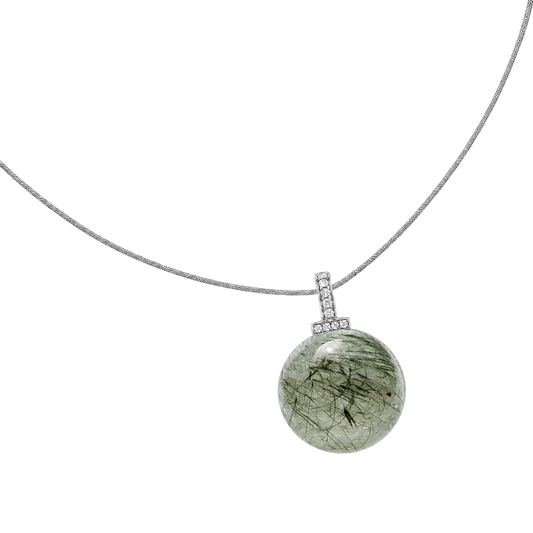
Choose Green Rutilated Quartz if the search term rutilated quartz jewelry brought you here. The main reason to choose it is visual: fine green internal strands create a distinctive linework effect that feels more precise than a simple green bead.
Choose Blue Needle Clear Quartz if you want a crystal that changes with light. It is a good comparison point for anyone deciding between visible threads and more hidden, delicate inclusions.
Choose Clear Quartz if you want the simplest configuration language. It keeps the focus on brightness, transparency, and versatility, which makes it a useful anchor for a first bracelet or a larger stack.
FAQ: Crystal Configurations and Bracelet Shopping
Are crystal configurations the same as crystal types?
Not exactly. A crystal type is usually the material name, such as quartz, amethyst, citrine, or moonstone. A configuration describes the visible pattern or structure, such as rutile threads, phantom layers, blue needles, or clear zones. One material can show several configurations.
Which crystal configuration is best for beginners?
Clear quartz is the simplest starting point because it is visually versatile. If you want more detail, white rutilated quartz and soft phantom quartz are still easy to wear while giving you visible internal texture.
How can I identify a configuration in a bracelet photo?
Zoom in on the beads and look for the dominant pattern. Lines usually point to rutile or needle inclusions. Layered shapes usually point to phantom quartz. A clean transparent body points toward clear quartz. If several patterns appear together, the bracelet is a mixed configuration design.
Do crystal configurations change what a bracelet promises?
No. Aerse treats configurations as visual, symbolic, and styling cues rather than outcome promises. Choose by appearance, craft, personal meaning, and wearability.
When you understand configuration, crystal shopping becomes less vague. You are no longer choosing only by color or name. You are reading the inside of the stone: the thread, the layer, the clear window, the hidden blue line, and the way those details fit your everyday style.