Blue Moonstone Guide: Styling, Symbolism, and Buying Tips

Blue moonstone is one of the clearest untapped Aerse search opportunities still sitting close to first-page visibility. In the last 90 days, local Search Console exports showed impressions around queries such as blue moonstone, blue moonstone lover's stone, iridescent moonstone, pisces moonstone, and broader moonstone product-page traffic. The strongest page signal was the existing Blue Moonstone product URL, which suggests shoppers already recognize the stone name and want more context before they buy.
That makes today’s content direction straightforward. Instead of repeating a broad crystal primer, this guide focuses on the specific questions a blue moonstone shopper is more likely to ask: what makes the stone look special, why do some people call it the lover’s stone, how should you compare blue moonstone with other moonstone-based pieces, and what should you check before ordering online. The goal is practical clarity, not exaggerated promises.
What makes blue moonstone distinctive?
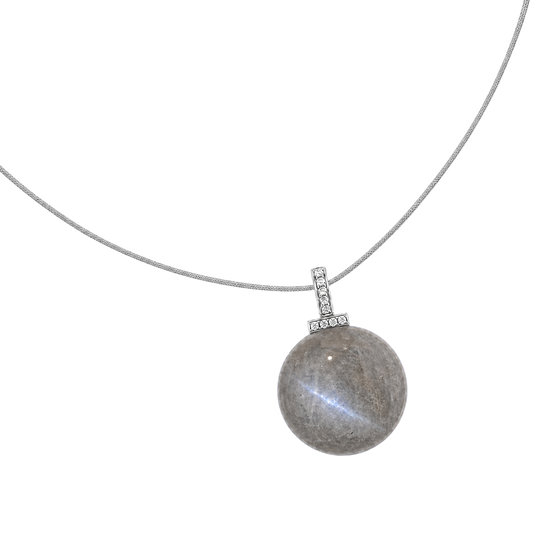
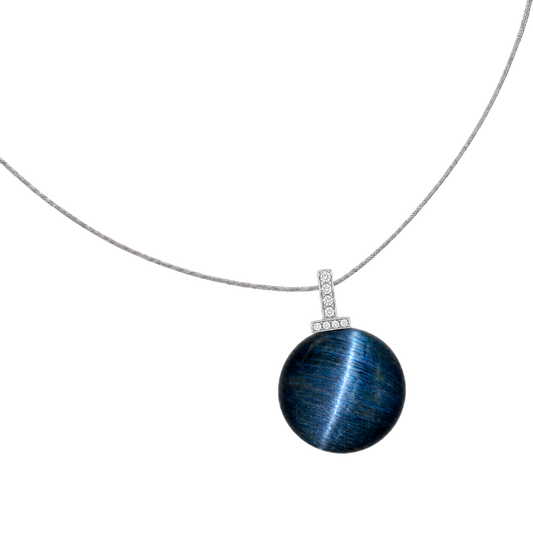
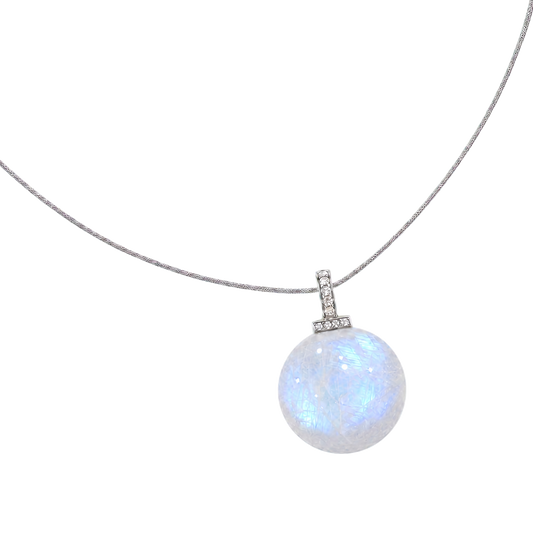
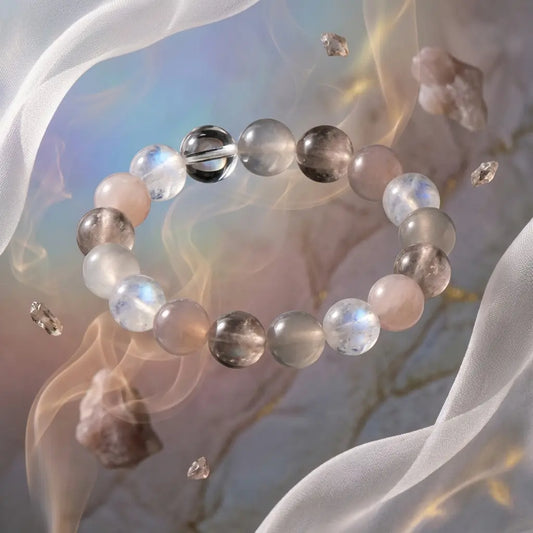
Blue moonstone stands out because of its shifting blue sheen, often called adularescence. As light moves across the surface, the stone can look clear one moment and softly lit from within the next. That visual effect is why blue moonstone often feels more atmospheric than louder, highly saturated gemstones. It creates interest through glow and movement rather than bright color alone.
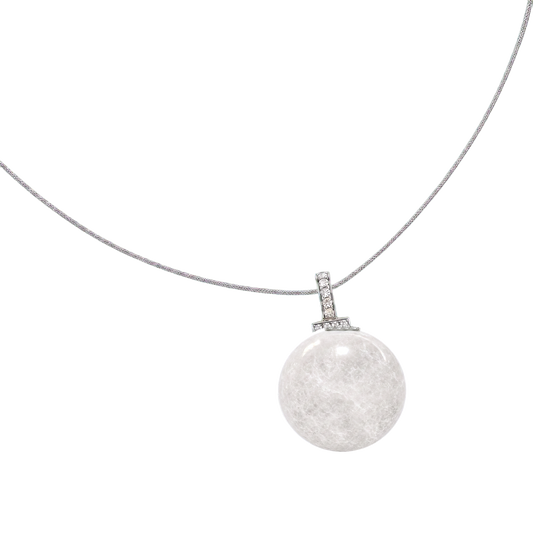
For jewelry shoppers, that matters because blue moonstone can feel expressive without becoming hard to wear. It pairs naturally with pale neutrals, soft tailoring, denim, and summer fabrics, but it can also work in a slightly dressier direction when combined with silver-toned details or other cool stones. If you want the clearest view of the core look, start with Aerse’s Blue Moonstone page, then compare it with the broader Moonstone option to see how the blue flash changes the overall mood.
The visual shorthand is simple: standard moonstone can read softer and milkier, while blue moonstone usually feels cooler, clearer, and more directional. That gives it a distinct role in a jewelry wardrobe, especially if you prefer stones that look calm rather than loud.
Why do some shoppers call blue moonstone the lover's stone?
The phrase lover’s stone appears often enough in moonstone search behavior that it is worth addressing directly. In symbolic crystal language, blue moonstone is sometimes connected with tenderness, intuition, receptivity, emotional nuance, and relationship rituals. That symbolic framing is likely why the phrase persists: the stone’s glow feels gentle and romantic, and people often project that mood onto how they wear it or gift it.
At Aerse, the most useful way to handle that phrase is carefully. It can be a poetic nickname, but it should stay in the realm of symbolism rather than certainty. Blue moonstone cannot guarantee romance, fix a relationship, or produce a predictable outcome. What it can do is offer a visual language that some people associate with softness, attentiveness, and meaningful gifting. That is a believable reason to choose it.
If you are shopping with gifting in mind, blue moonstone works especially well for occasions where you want the jewelry to feel personal without becoming overly formal. It can suit anniversaries, birthdays, travel keepsakes, or a self-chosen piece that marks a transition. In other words, the appeal is often emotional and aesthetic at the same time.
How to choose between blue moonstone, classic moonstone, and moonstone-based bracelets
The easiest way to choose is to decide whether you want a single-stone mood or a mixed-bracelet styling story. If you want the most direct version of the category, compare Blue Moonstone and Moonstone first. Blue moonstone is the stronger choice if you want visible sheen and a cooler, more luminous presence. Classic moonstone is often the better fit if you prefer a softer neutral feel that blends quietly into everyday outfits.
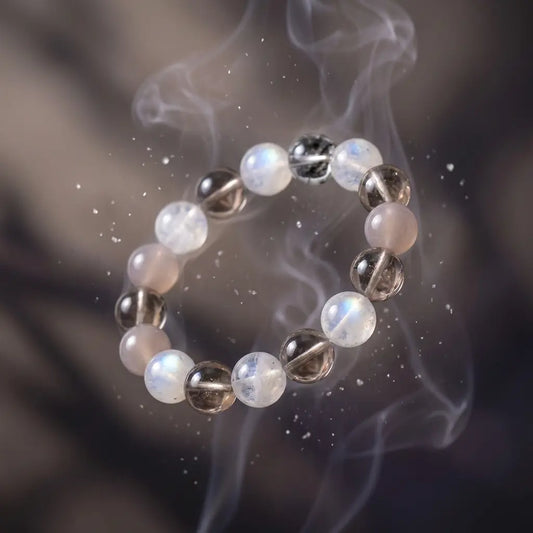
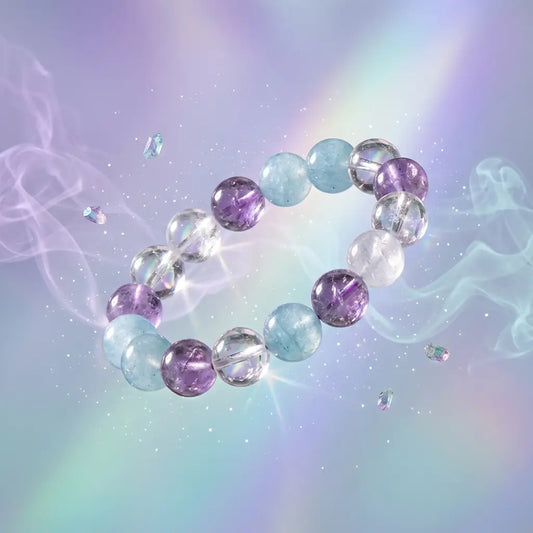
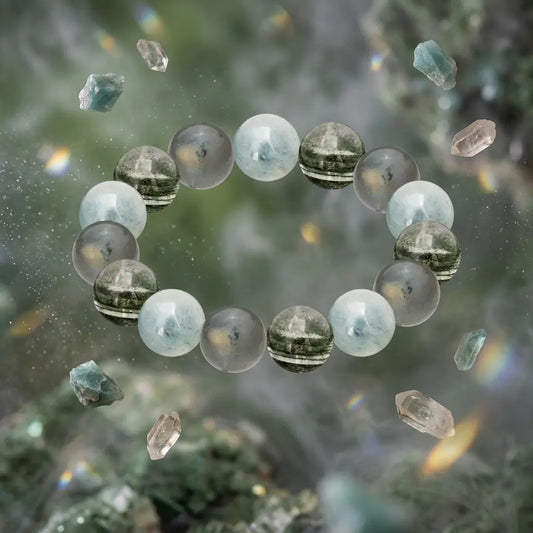
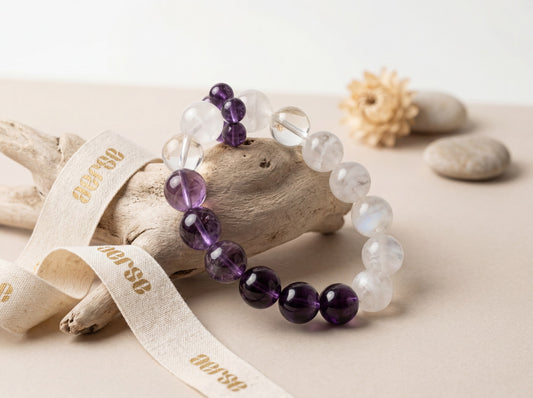
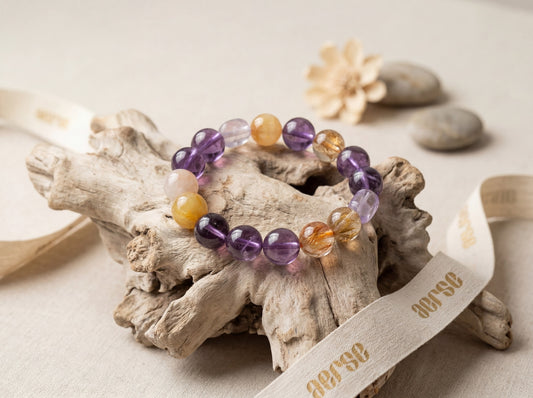
If you want moonstone as part of a bracelet with more context, Aerse has several useful comparison pages. The Intuitive Calm Moonstone Aquamarine Bracelet leans serene and airy, which makes it a strong fit for shoppers drawn to calm summer palettes. The Amethyst Moonstone Phantom Quartz Bracelet feels more layered and dreamy, especially if you like cooler tones with extra visual depth.
A simple comparison framework helps:
- Choose blue moonstone if you want the clearest flash, a cooler tone, and a more defined focal stone.
- Choose classic moonstone if you want a softer, more understated neutral that works with almost anything.
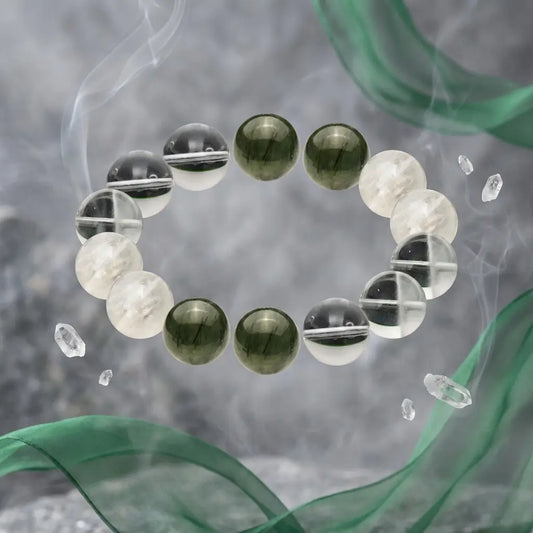
- Choose a moonstone bracelet blend if you want the stone’s mood plus extra contrast from aquamarine, amethyst, or phantom quartz.
This product-led approach is more useful than trying to decode every symbolic meaning at once. Most people make better choices when they start with how the piece will actually fit their wardrobe and routine.
How to style blue moonstone in summer and everyday outfits
Blue moonstone is especially strong in early summer because its reflective glow becomes easier to notice against lighter fabrics and bare wrists. It works with white shirts, washed denim, pale grey knits, soft blue dresses, and travel wardrobes built around a few neutral pieces. The stone already has movement inside it, so it does not need a complicated stack to look intentional.
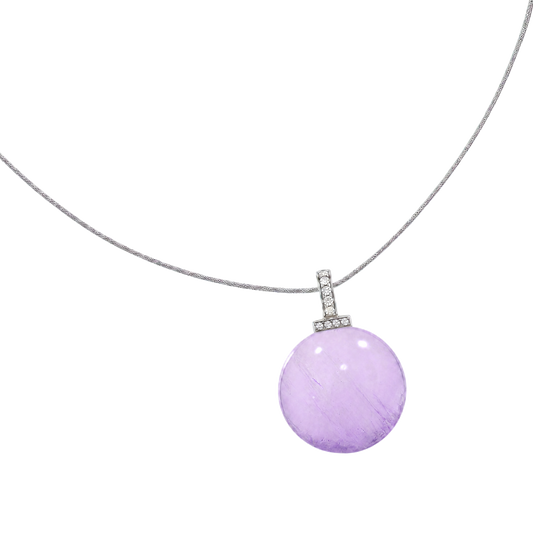
If your style is minimal, let a single moonstone piece act as the focal point. If your style is softer and more layered, pair moonstone with aquamarine or amethyst tones so the palette stays cohesive instead of noisy. The Intuitive Calm Moonstone Aquamarine Bracelet is especially easy to imagine with resort neutrals, light blue shirting, or quiet office basics. The Amethyst Moonstone Phantom Quartz Bracelet works well if you want something moodier for evening dinners, creative workdays, or a more introspective color story.
Three styling directions work well for most shoppers:
- Use blue moonstone with white, dove grey, soft navy, or stone-colored outfits for a cooler polished look.
- Pair moonstone and aquamarine together when you want a light, watery palette that still feels grown-up.
- Keep the rest of the jewelry simple if the moonstone flash is the reason you chose the piece in the first place.
The practical advantage is repetition. Moonstone jewelry tends to be easy to re-wear because it adds atmosphere rather than visual heaviness, which makes it a good travel or daily-rotation choice.
What to check before buying moonstone jewelry online
Because moonstone is all about light behavior, the first thing to check online is whether the product photography actually shows the flash clearly. If the imagery does not help you see the sheen, the shape, or the transparency level, it becomes harder to tell whether the piece matches the mood you want. Look for product pages that make the stone’s surface and internal glow easy to understand.
It also helps to think about how much contrast you want. A single moonstone page like Blue Moonstone keeps the decision focused on color, finish, and flash. A mixed bracelet such as Intuitive Calm Moonstone Aquamarine Bracelet asks a different question: do you want moonstone to be the whole story, or part of a broader styling composition?
Before buying, ask yourself:
- Do I want the blue flash to read obviously, or do I prefer a softer glow?
- Am I shopping for everyday wear, gifting, travel, or a special outfit?
- Do I want a single-stone mood, or a bracelet that mixes moonstone with aquamarine, amethyst, or phantom quartz?
- Will this piece work with the colors I actually wear most often?
One final practical note: moonstone is generally softer than quartz, so it makes sense to store it carefully and avoid rough contact with harder-edged jewelry. Gentle habits usually preserve the surface better over time, especially if you plan to wear the piece regularly.
Common blue moonstone questions
What is blue moonstone?
Blue moonstone is a moonstone variety known for its cool, luminous flash. Many shoppers are drawn to it because it looks softly lit from within rather than brightly colored on the surface.
Why is blue moonstone called the lover's stone?
The phrase is a symbolic nickname used in crystal language, usually to suggest romance, receptivity, or emotional softness. It is best understood as poetic language, not a promise.
Which Aerse piece is the best first step?
Start with Blue Moonstone if you want the clearest direct match to the search term. If you want a wearable bracelet interpretation, compare it with the Intuitive Calm Moonstone Aquamarine Bracelet.
Is blue moonstone easy to style?
Yes. It pairs especially well with cool neutrals, soft summer fabrics, and simple outfits that let the stone’s glow do most of the work.
For shoppers landing on Aerse through blue moonstone searches, the next step does not need to be complicated. Choose the version of moonstone that fits your real wardrobe, your preferred level of glow, and the kind of jewelry you will actually reach for more than once. The pieces that feel easiest to wear are usually the ones that stay meaningful over time.