A Beginner's Guide to the World of Crystals: Unearthing the Magic

1. Introduction: More Than Just a Stone
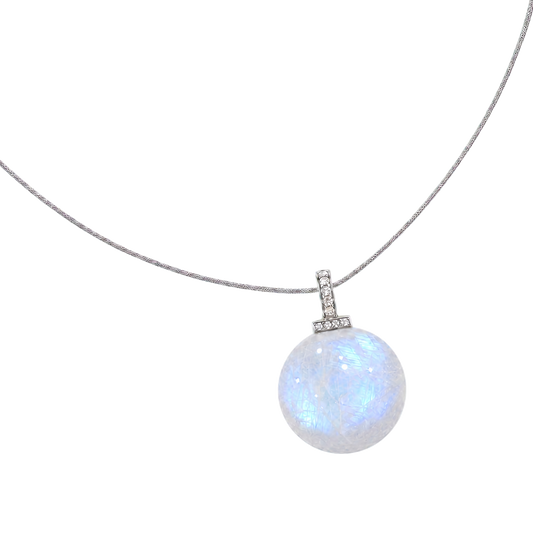
In the coastal region of Donghai, an ancient legend tells the story of a boy and a girl who grew up together. The boy was deeply in love with the girl, but she was betrothed to another. Heartbroken, the boy played his flute every night, and with each sad melody, a single tear fell. When his 999th tear fell, a sky god was moved by his sorrow. The god granted the boy one wish: to protect the girl forever. And so, the god transformed the boy's countless tears into a string of beautiful crystals. Into this necklace, he then placed the boy's soul, fulfilling his wish to protect the girl forever. The necklace flew to the girl's home, and on her wedding day, she wore it, unknowingly carrying the boy's eternal love and protection, and lived a life of happiness.
This beautiful story captures the mystique that has surrounded crystals for centuries. But beyond the legends and whispered tales, have you ever wondered what these beautiful stones are truly made of?
2. What Exactly is a Crystal?
At its core, a crystal is a clear, lustrous mineral body, a marvel of the natural world. The primary chemical component of a natural crystal is **silicon dioxide (SiO₂) **, which forms into its beautiful crystalline structure under very specific geological conditions over immense periods of time.
Many beginners confuse natural crystal with common glass, as they can look quite similar. However, they are fundamentally different.
|
Feature |
Natural Crystal |
Glass |
|
Atomic Structure |
A crystalline body, meaning its atoms are arranged in a highly ordered, repeating pattern. |
Amorphous, meaning its atoms lack a long-range ordered structure, similar to a liquid. |
|
Origin |
Formed naturally within the Earth's crust over millions of years. |
A man-made material. |
|
Primary Component |
Silicon Dioxide (SiO₂) |
Primarily Silicon Dioxide (SiO₂), but often with other additives. |
Now that you understand what a crystal is, let's explore the stunning diversity of the crystal family.
3. A Glimpse into the Crystal Family
The world of natural crystals is vast and varied. Based on their color and the other materials they contain—known as inclusions—crystals can be divided into over 60 different types. For a beginner, the easiest and most beautiful place to start is with crystals of a single, pure color.
The Seven Pure Colors of Crystal
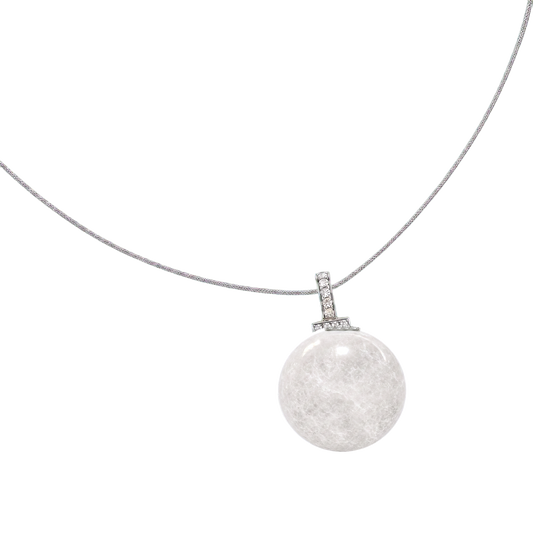
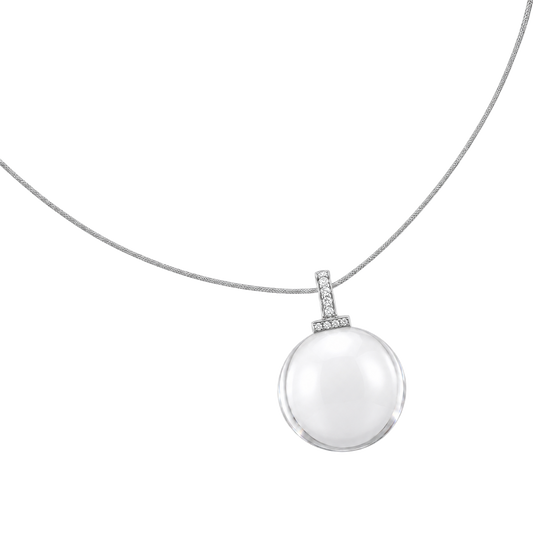
- White Crystal: A clear, often colorless crystal prized for its purity.
- Smoky Quartz: Characterized by its smoky brown or grey coloration.
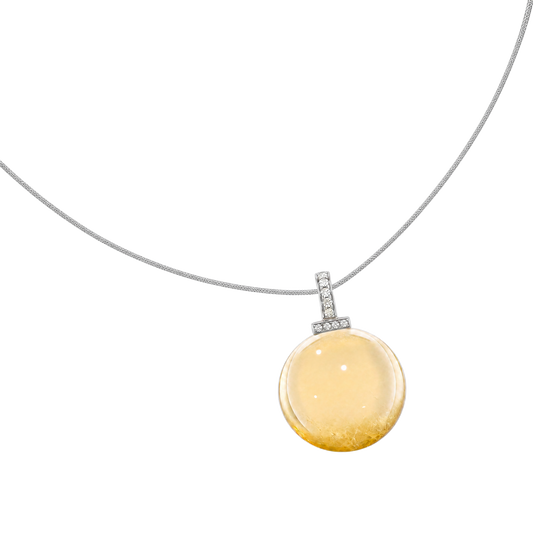
- Yellow Crystal (Citrine): Shines with a warm, yellow hue.
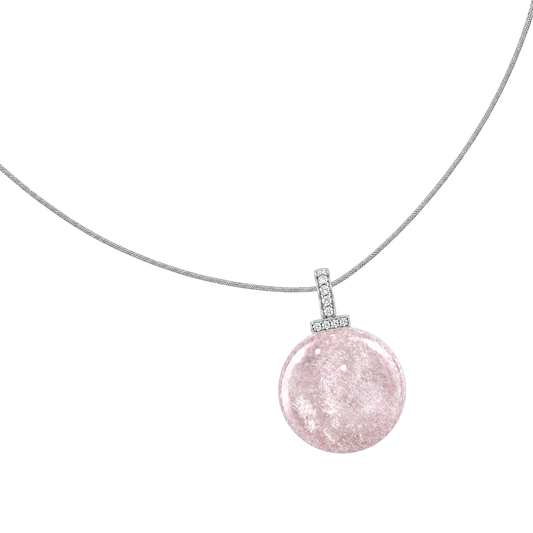
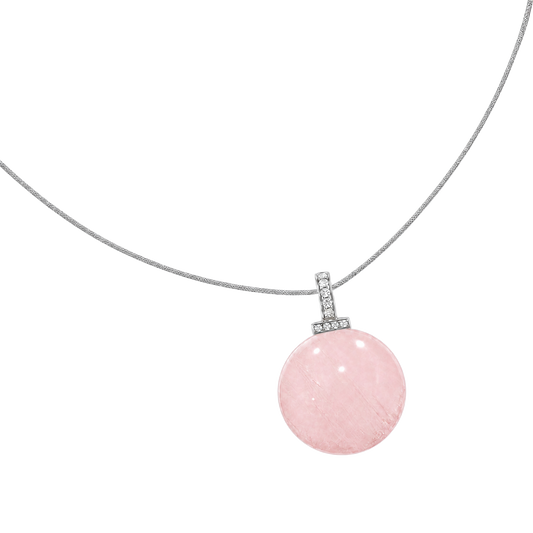
- Rose Quartz: Known for its gentle, delicate pink color.
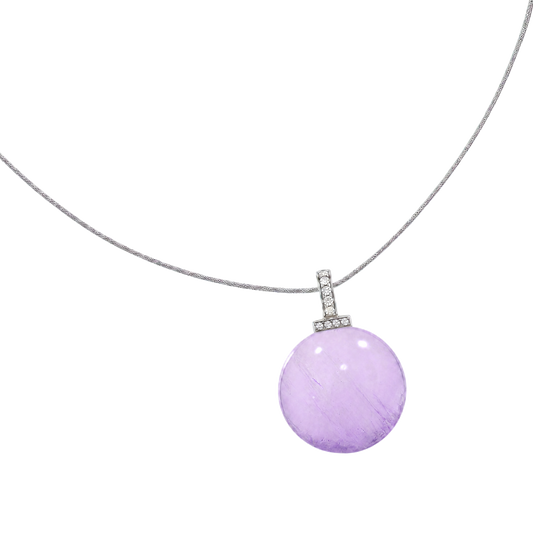
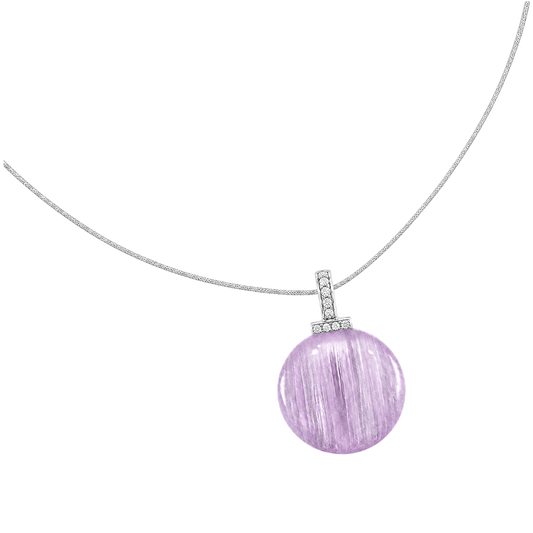
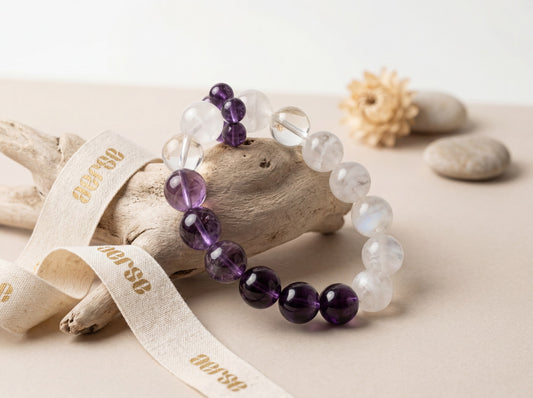
- Amethyst: A famous variety that displays a rich purple color.
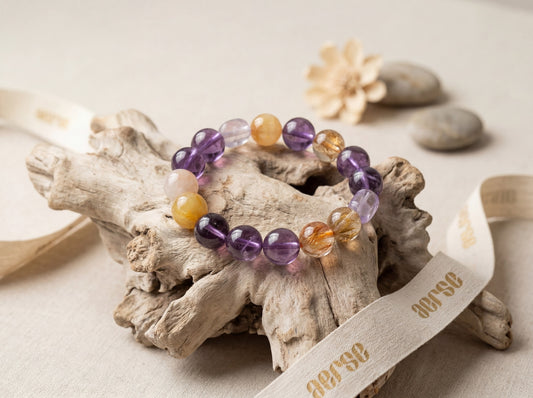
- Ametrine: A unique crystal that showcases both purple and yellow colors in a single stone.
- Green Crystal: A rare variety with a distinct green coloration.
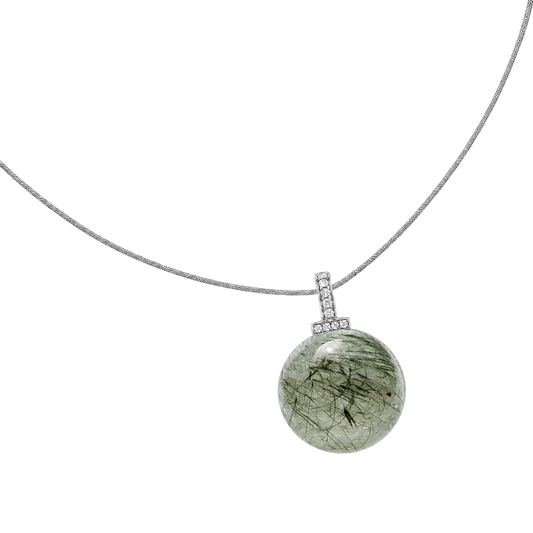
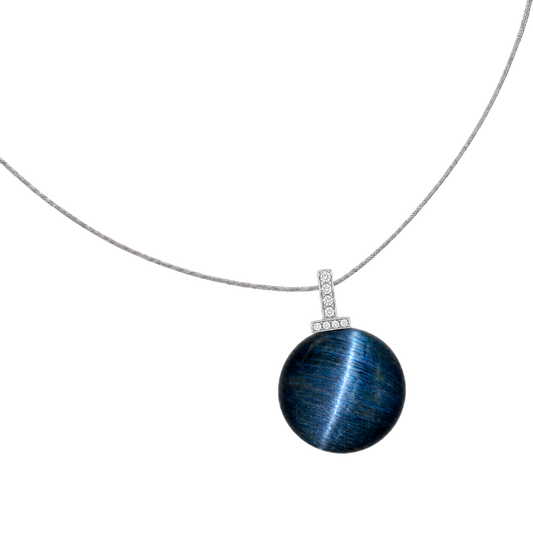
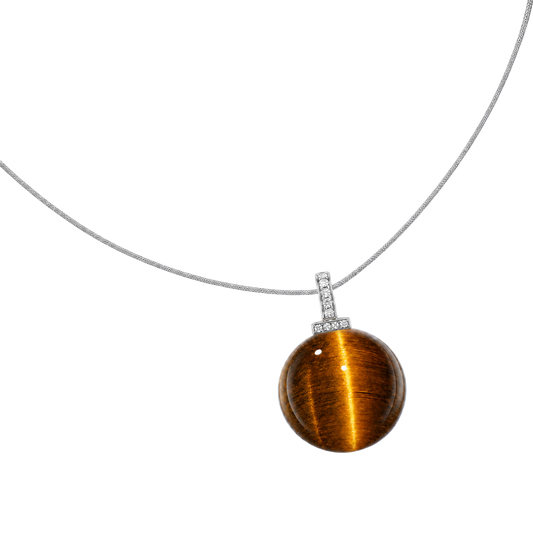
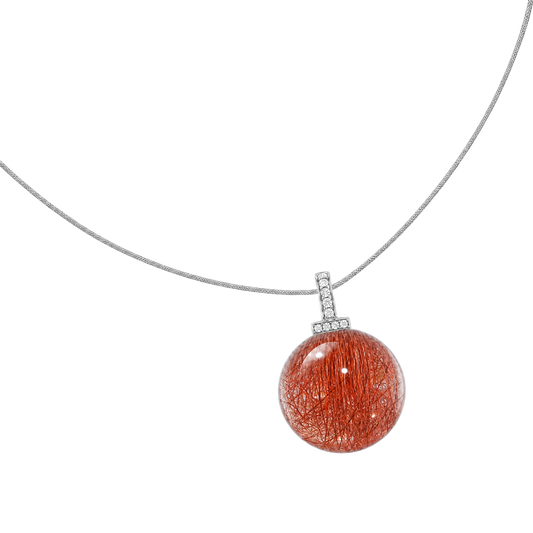
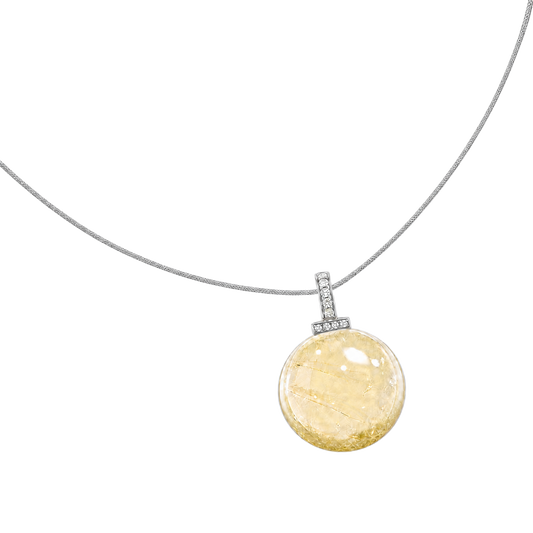
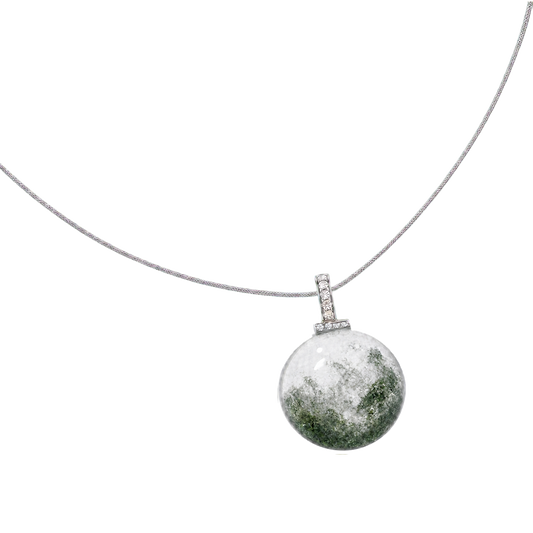
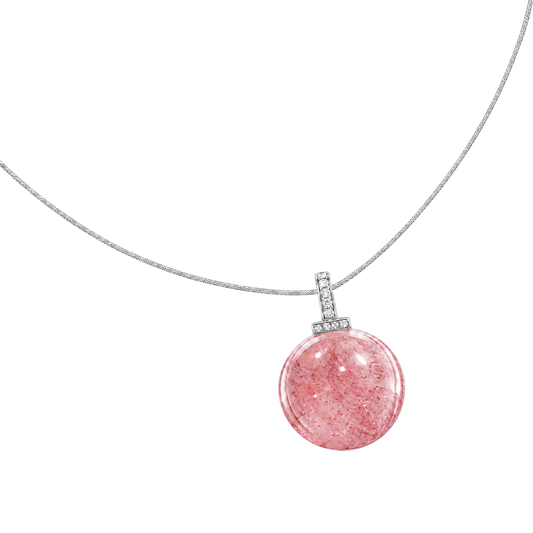
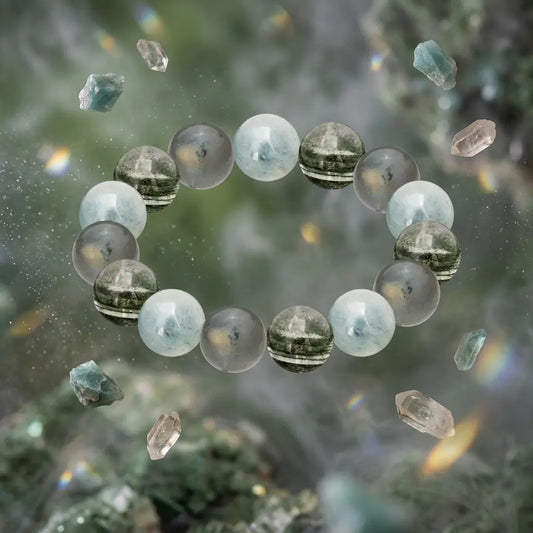
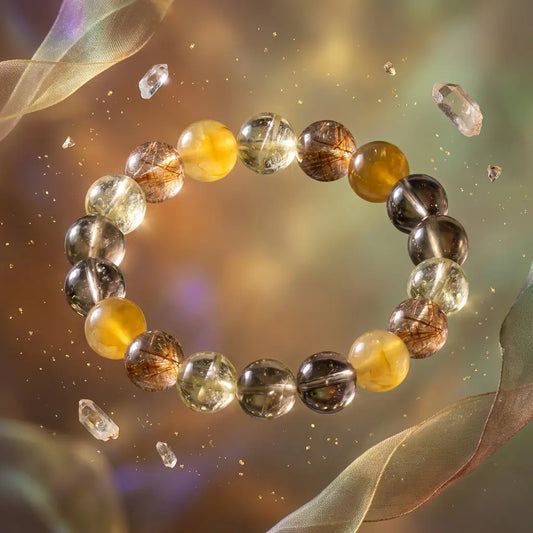
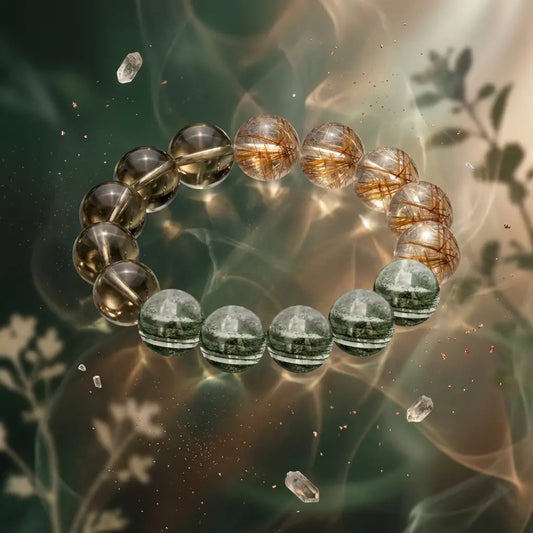
Beyond these pure colors lies an even more fascinating category: included crystals. These are crystals that have other minerals trapped within them as they formed, creating breathtaking internal landscapes. Some of the most well-known are Phantom Quartz (幽灵水晶), which contains deposits of volcanic ash that look like floating mountains, and Rutilated Quartz (发晶类水晶), which is filled with fine, thread-like strands of other minerals.
These remarkable physical forms are matched only by the rich stories and beliefs humans have associated with them throughout history.
4. Legends Carved in Stone: Crystals in Human History
For millennia, cultures across the globe have been captivated by crystals, seeing them not just as beautiful objects but as items of power, ritual, and status. The stories they told and the ways they used them show a deep and lasting connection between humanity and these geologic wonders.
- Ancient Greece The Greeks believed that amethyst, with its wine-like purple hue, could prevent a person from becoming drunk.
- Ancient Egypt In Egyptian culture, crystals were used in religious ceremonies. Priests would often place a small crystal on the forehead of the deceased, believing it held a sacred significance for the afterlife.
- Christian Church Crystals, particularly amethyst, were incorporated into religious traditions and used as sacred objects. To this day, bishops often wear amethyst rings.
- Japan The Japanese revered crystals, crafting them into statues of the Buddha to be used in worship and for religious sacrifices.
These ancient beliefs and practices illustrate how crystals have always been more than just stones; they are artifacts of human history, wonder, and spirituality.
5. Your Journey Begins
From ancient legends to modern geology, our brief journey has revealed the essence of crystals. You now know that these natural wonders are formed from silicon dioxide, that they come in a dazzling family of colors and forms, and that they have captivated the human imagination for centuries. This is only the first step into a larger, more brilliant world. We encourage you to continue your own exploration and discover the beauty and mystery that crystals hold.