How to Tell If Rutilated Quartz Is Real: Bracelet Guide

Rutilated quartz is easy to love in product photos because the stone looks like clear quartz holding fine threads of light. That same visual drama can make shoppers cautious. Search behavior around fake golden rutilated quartz, clear rutilated quartz, rutilated clear quartz, and gold rutilated quartz jewelry shows a practical question underneath the style interest: how can you tell whether a rutilated quartz bracelet looks believable before you buy it online?
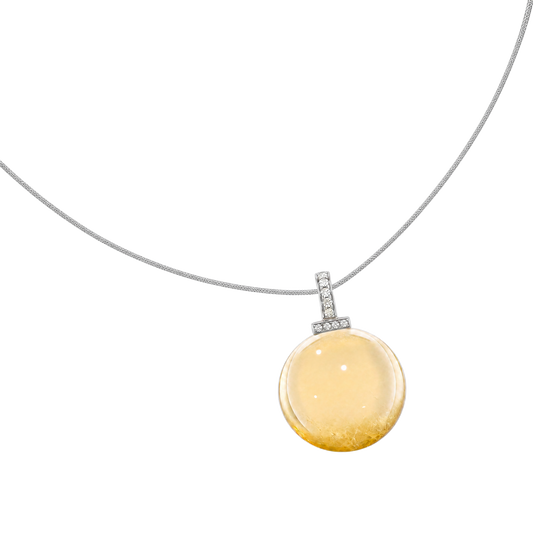
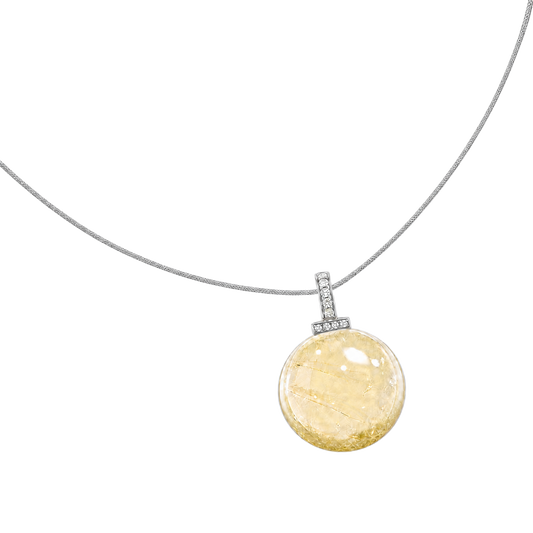
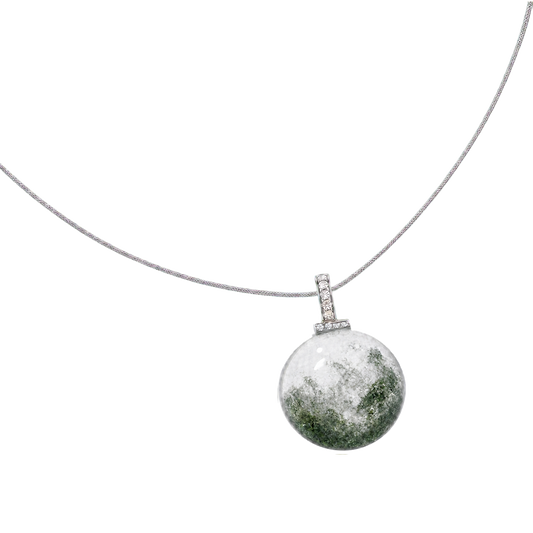
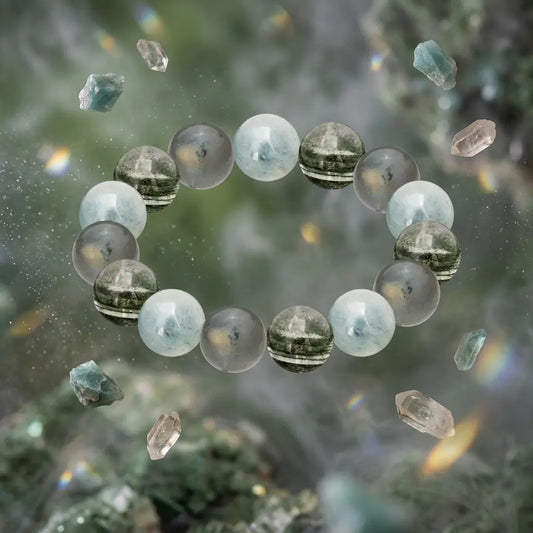
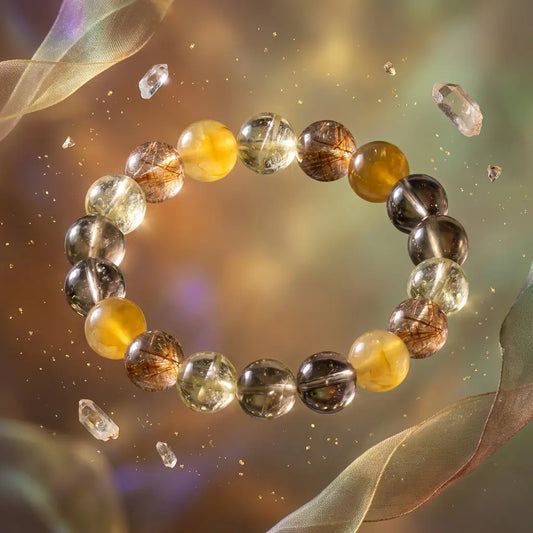
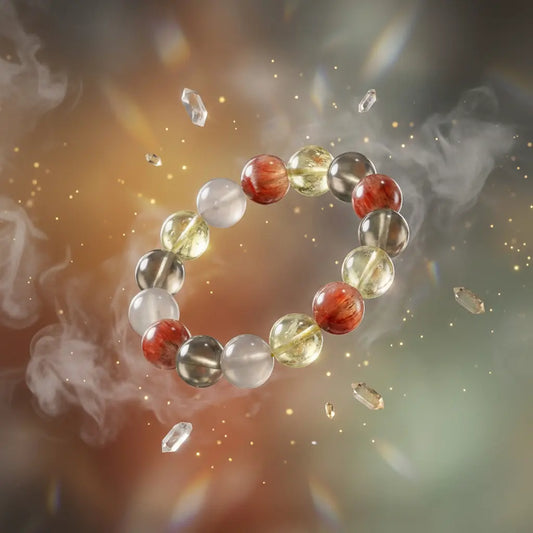
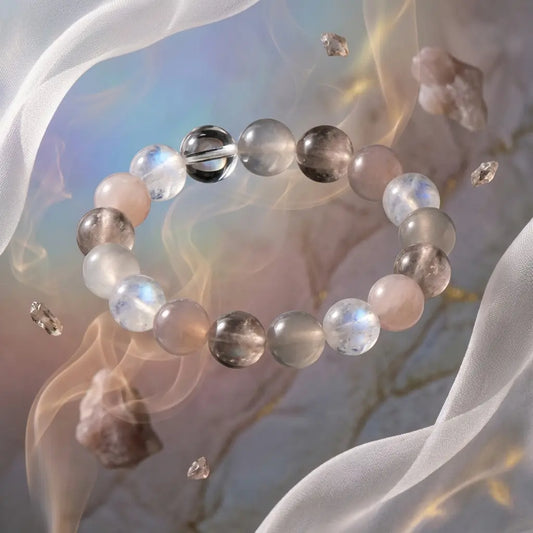
This guide gives Aerse shoppers a grounded checklist. It does not promise that one photo can prove every detail about a natural stone, and it does not turn crystal meaning into a fixed result. Instead, it explains what to look for in rutile inclusions, color, clarity, bead variation, and product presentation while comparing real Aerse examples such as Gold Rutilated Quartz, Yellow Rutilated Quartz, White Rutilated Quartz, and Green Rutilated Quartz.
Quick answer: real rutilated quartz should look naturally irregular
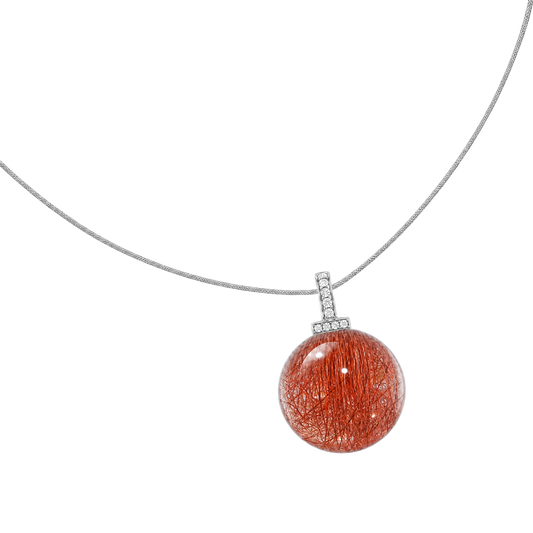
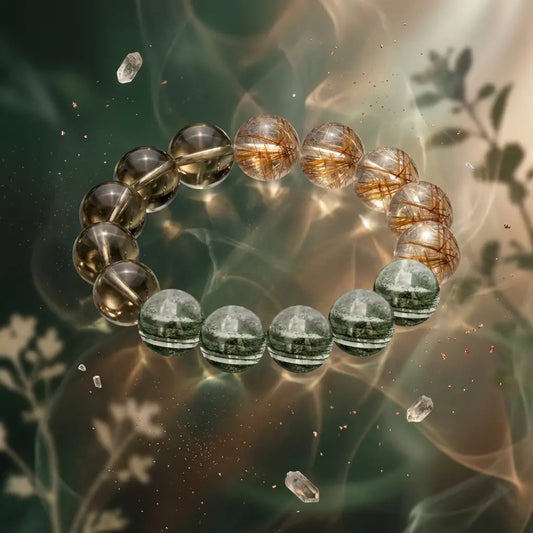
The clearest sign of rutilated quartz is the internal needle-like inclusion. These fine lines can look golden, yellow, white, silver, greenish, reddish, or smoky depending on the stone and lighting. In a real bracelet, those lines usually vary from bead to bead. Some beads may show dense threads. Others may be clearer, mistier, or more lightly included. That irregularity is part of the appeal.
A bracelet that looks too identical from bead to bead deserves a closer look. Natural rutilated quartz is not usually a set of perfectly repeated lines arranged at the same angle in every stone. Even within a coordinated Aerse bracelet, the inclusions should feel individual: different directions, different densities, small changes in transparency, and occasional clouds or tiny internal features that make the material look less manufactured.
That does not mean every uneven stone is automatically good or every clean stone is suspicious. It means the buyer should look for believable variation. Rutilated quartz is most convincing when the beauty comes from internal texture rather than surface decoration.
Check the inclusions, not only the color name
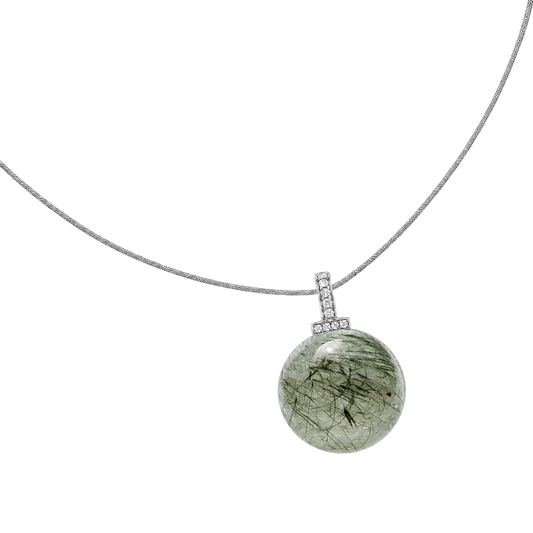
Color names can be helpful for shopping, but they should not do all the work. Gold rutilated quartz, yellow rutilated quartz, white rutilated quartz, and green rutilated quartz are visual directions, not proof that every bead will have one identical tone. The important question is whether the inclusions look embedded in the quartz rather than painted, printed, or sitting only on the surface.
When comparing product photos, zoom in on the lines. Natural rutile often appears to pass through the stone at different depths. Some threads may be bright and sharp. Others may soften, disappear behind cloudier areas, or change visibility as the bead catches light. That layered look is a stronger signal than a single bright color label.
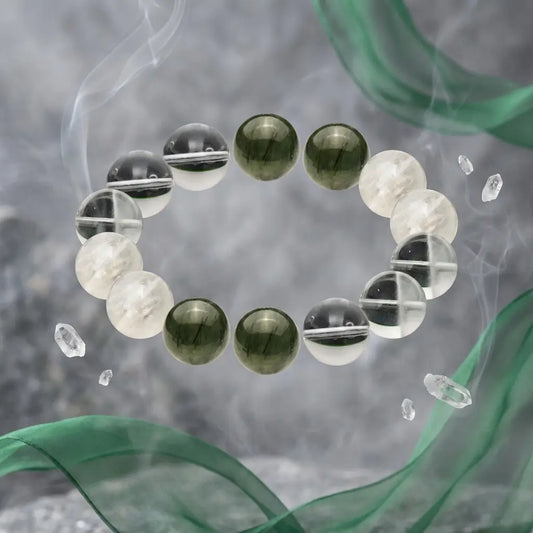
Gold Rutilated Quartz is useful for shoppers who want warm, visible internal threads. Yellow Rutilated Quartz is a softer summer comparison because the color can feel lighter and more sunlit. White Rutilated Quartz is better if you want the thread effect without a warm color story. Green Rutilated Quartz is the cooler and more botanical direction.
Use clarity and variation as a bracelet checklist
Rutilated quartz is often most beautiful when there is enough clarity to see the internal needles. If a bead is completely opaque, the rutile effect may be harder to read. If a bead is extremely clear with very few inclusions, it may look closer to clear quartz than rutilated quartz. Neither is automatically wrong; the right balance depends on whether you want a bold threaded look or a subtler daily bracelet.
For online shopping, use this checklist before choosing a page:
- Can you see threads inside several beads, not just one hero bead?
- Do the lines vary in direction, length, density, or brightness?
- Does the stone show depth, with inclusions appearing inside the quartz rather than only on the surface?
- Does the color fit the product name while still allowing natural variation?
- Would the bracelet still appeal to you if you ignored the crystal meaning and judged it as jewelry?
This last question matters. A real stone still has to be wearable. If you prefer clean, bright styling, compare rutilated quartz with Clear Quartz. Clear quartz gives brightness without thread-like inclusions, which can make it easier to layer beside a more textured rutilated piece.
Gold, yellow, white, and green rutilated quartz compared
Gold rutilated quartz is usually the most visible option in a bracelet stack. The warm internal threads can look dressed-up, especially with cream, black, brown, denim, and gold-tone jewelry. For shoppers searching gold rutilated quartz jewelry or fake golden rutilated quartz, the best first step is to examine whether the gold lines look suspended in the quartz and whether different beads show natural variation.
Yellow rutilated quartz is close to gold in search intent but lighter in styling mood. It can feel more casual and easier for daytime summer outfits. If the gold version feels too formal or high contrast, Yellow Rutilated Quartz gives a warmer look without making the bracelet as visually heavy.
White rutilated quartz is the quietest member of this comparison. It works for white shirts, pale neutrals, bridal styling, office basics, and crystal stacks where another color would feel distracting. Green rutilated quartz is more directional. It reads earthier and cooler, especially with linen, olive, grey, navy, black, and silver-tone details. Both are useful for shoppers who want real rutilated texture without the golden statement.
Red flags when shopping for rutilated quartz online
Aerse shoppers do not need gem-lab tools to make a smarter first pass. Start with practical red flags. Be careful when every bead looks exactly the same, when the inclusions appear as flat surface marks, when product photos are too blurred to inspect, or when the listing relies only on dramatic meaning claims instead of showing the stone clearly.
Also be careful with language that makes fixed promises. Rutilated quartz can be meaningful as a personal symbol of clarity, brightness, renewal, or focus, but a bracelet should not be described as a shortcut to life changes or specific outcomes. Strong product pages should help you understand color, texture, size, materials, care, and styling before leaning on symbolism.
Price alone is not proof. Natural variation, product design, bead size, finishing, photography, and sourcing all affect how a bracelet is presented. The more useful question is whether the product page gives enough visual information for you to make a confident style decision.
How to style rutilated quartz once you choose it
The easiest styling rule is to let the inclusions stay visible. Rutilated quartz already has movement inside the stone, so it often looks best with clean clothing and edited stacks. Wear gold or yellow rutilated quartz with black, cream, warm denim, camel, or simple gold-tone details. Wear white rutilated quartz with white linen, pale grey, bridal neutrals, or a clear quartz companion. Wear green rutilated quartz with olive, navy, charcoal, denim, and minimal silver or gold accents.
If you are stacking bracelets, keep the number small. One rutilated quartz focal piece plus one cleaner bracelet is often enough. Too many highly included stones can make the details harder to see. Clear Quartz is a useful companion because it adds brightness without competing with the rutile needles.
Care should stay simple. Wipe the bracelet with a soft dry cloth after wear, store it away from sharper jewelry, and avoid harsh cleaners, swimming, perfume sprayed directly on the stones, or long moisture exposure. These habits protect the jewelry finish and make the bracelet easier to repeat in everyday life.
Common questions about real rutilated quartz
Is rutilated quartz the same as clear quartz?
No. Rutilated quartz is quartz with needle-like inclusions inside it. Clear quartz is usually chosen for transparent brightness, while rutilated quartz is chosen for visible internal thread patterns.
How can I tell if golden rutilated quartz looks real online?
Look for natural variation between beads, internal depth, and lines that appear embedded in the quartz. Be cautious if every bead looks perfectly identical or if the product photos do not let you inspect the inclusions.
Which rutilated quartz color is easiest to wear?
White rutilated quartz and green rutilated quartz are usually quieter for daily styling. Gold and yellow rutilated quartz are warmer and more visible, which makes them stronger statement pieces.
Can rutilated quartz meaning help me choose?
Yes, as personal symbolism. Let the stone remind you of clarity, light, focus, or a seasonal reset if that language feels useful, but choose the bracelet by photos, comfort, color, and how often you will wear it.
The most grounded way to buy rutilated quartz is to look closely before you assign meaning. Choose the inclusion pattern you actually enjoy, compare the color against your wardrobe, and use product pages that show the stone clearly. A believable rutilated quartz bracelet should feel naturally varied, visually inspectable, and wearable beyond the first moment of attraction.