A Beginner's Guide to Crystal Classification: How Crystals Get Their Names

Introduction: Decoding the World of Crystals
Welcome to the vibrant world of crystals! With over 60 common types available, the sheer variety can feel both exciting and overwhelming. You might see a "Green Phantom" next to a "Brazilian Citrine" and wonder what these names actually mean and how they are derived. Fortunately, there's a logic behind the labels.
Understanding the naming conventions for crystals is the key to unlocking their secrets. It provides a systematic framework that allows you to accurately identify different varieties, understand their key characteristics at a glance, and navigate the market with confidence. The names are not random; they are descriptive tags based on a consistent set of rules.
This guide will demystify the process by breaking down the three primary methods used to name crystals:
- Based on visual characteristics: What the crystal looks like, including its color, internal inclusions, and natural shape.
- Based on place of origin: The geographical location famous for producing a particular crystal.
- Based on translations: Adopting names directly from other languages.
Let's begin with the most intuitive and common naming method: what you see is what you get.
--------------------------------------------------------------------------------
1. Naming by Visual Characteristics: What You See is What You Get
The most straightforward way to name a crystal is by describing its observable features. This approach looks at three key aspects: the crystal's overall color, the unique features trapped inside it, and the geometric shape it forms in its raw, natural state.
1.1. The Simplest Method: Naming by Pure Color
The most fundamental classification is based on a crystal's dominant, uniform color. These crystals are a single, consistent hue throughout and do not contain other mineral inclusions. They are simply named for their color.
There are 7 main types of natural, pure color crystals:
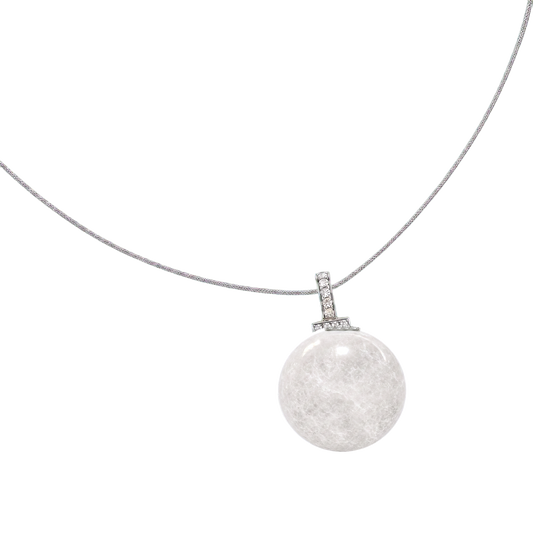
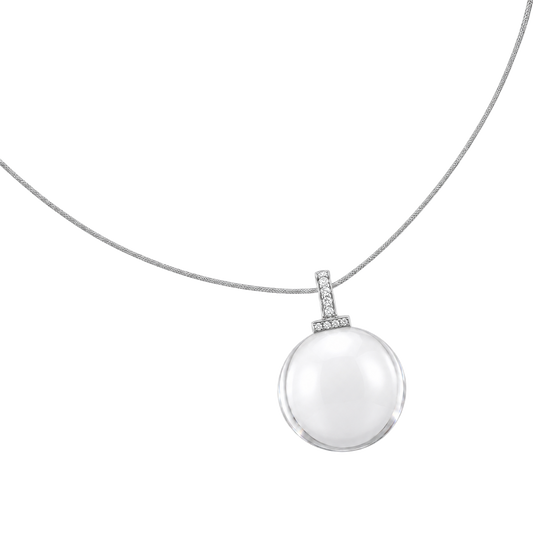
- White/Colorless: White Crystal (白水晶)
- Brown/Smoky: Smoky Quartz (茶晶)
- Yellow: Citrine (黄水晶)
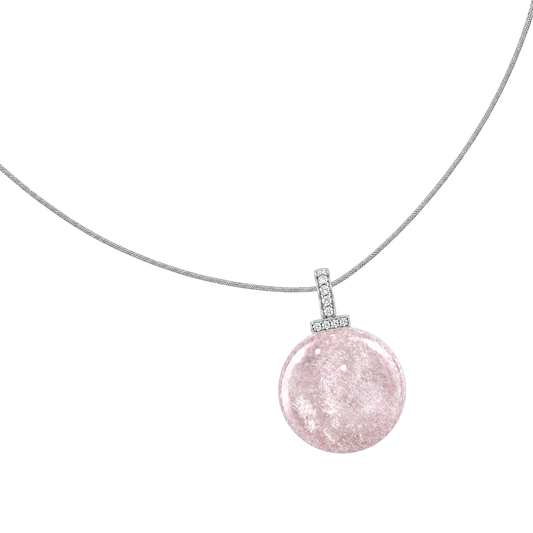
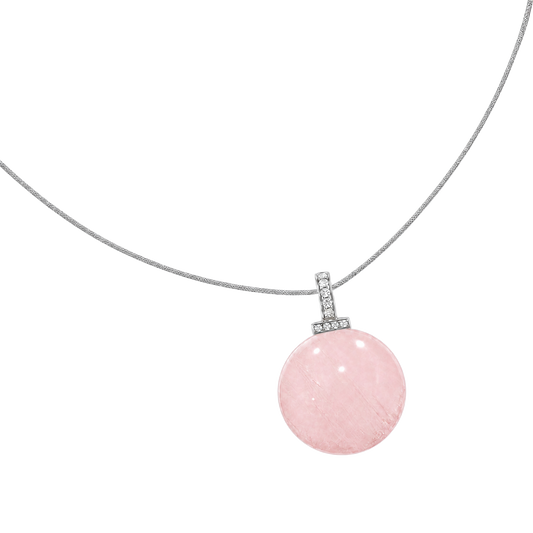
- Pink: Rose Quartz (粉晶)
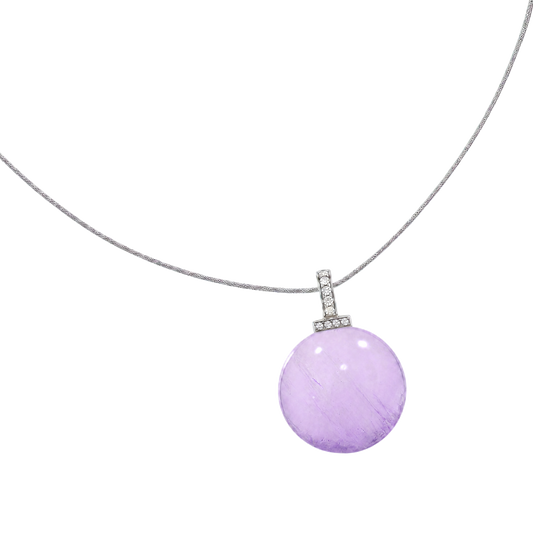
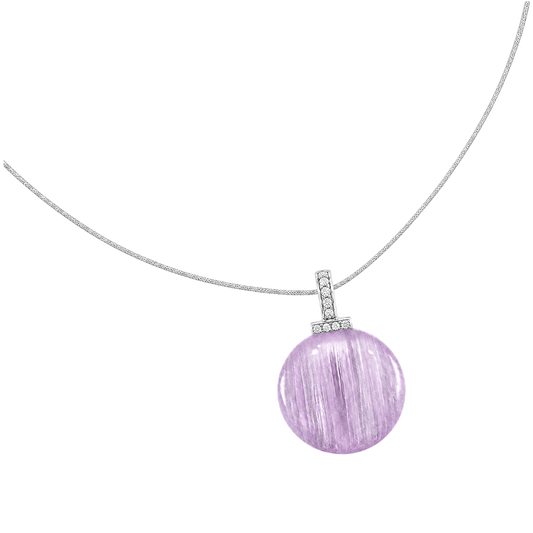
- Purple: Amethyst (紫水晶)
- Purple & Yellow: Ametrine (紫黄晶)
- Green: Green Quartz (绿水晶)
Collector's Insight: One of the most important takeaways from this category is that naturally occurring pure red and pure blue crystals have not yet been discovered. If you encounter a crystal marketed as such, it is almost certainly a man-made or artificially treated specimen.
1.2. A World Within: Naming by Internal Inclusions
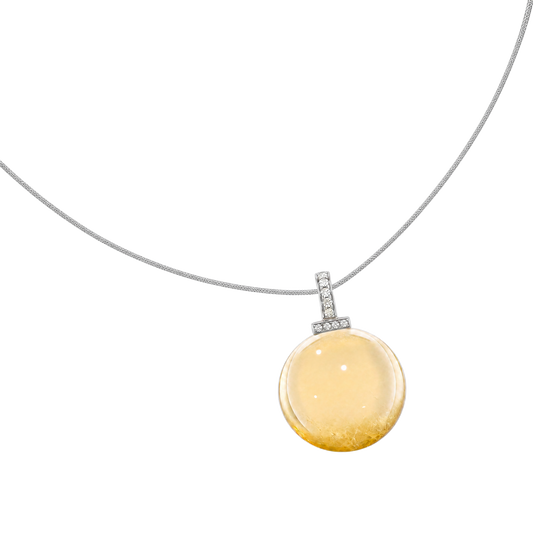
Many of the most prized and fascinating crystals get their names from the unique mineral formations and features trapped within them. These internal landscapes—from hair-like strands to ghostly layers—are called inclusions, and they form the basis for a large category of crystal names.
|
Crystal Category (by Inclusion) |
How It's Named & Examples |
|
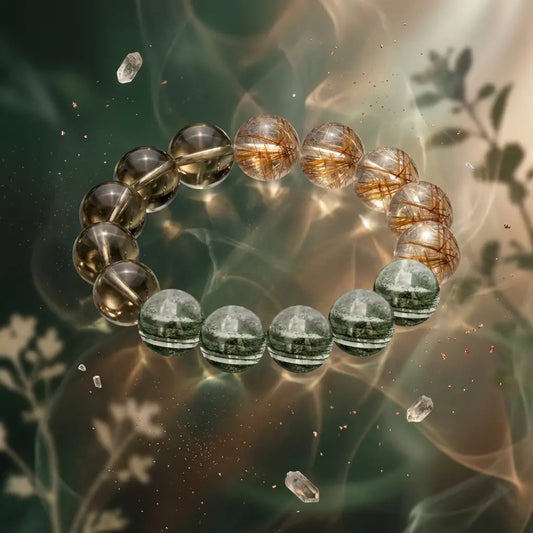
Rutilated ("Hair") Crystals (发晶) |
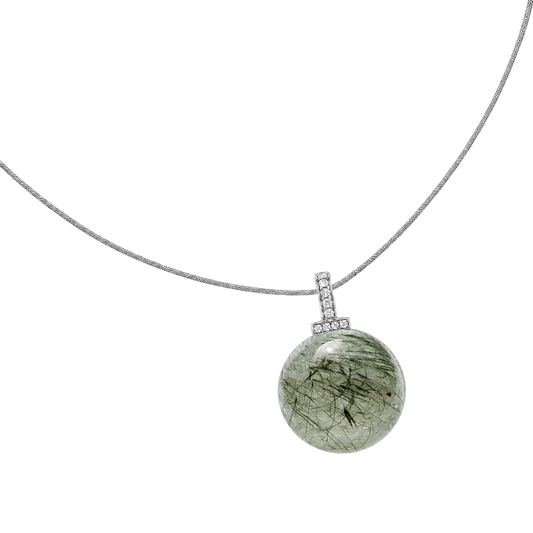
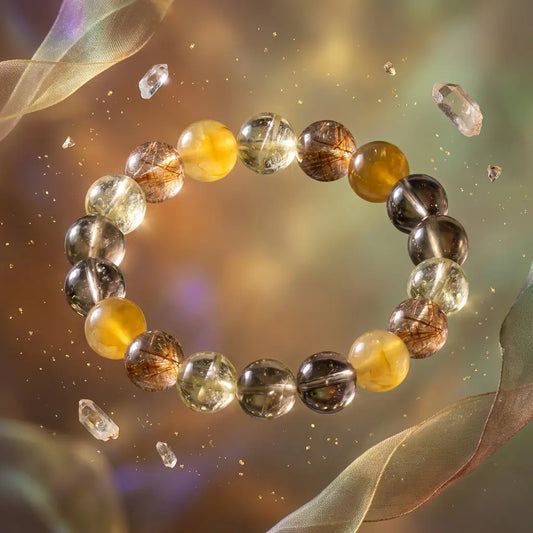
Named for the color and/or form of the fine, hair-like mineral inclusions inside. The name combines the descriptive term for the "hair" with the word for crystal. <br> Examples: Gold Rutilated Quartz (金发晶), Green Rabbit Hair Quartz (绿兔毛发晶), Titanium Rutilated Quartz (钛晶). |
|
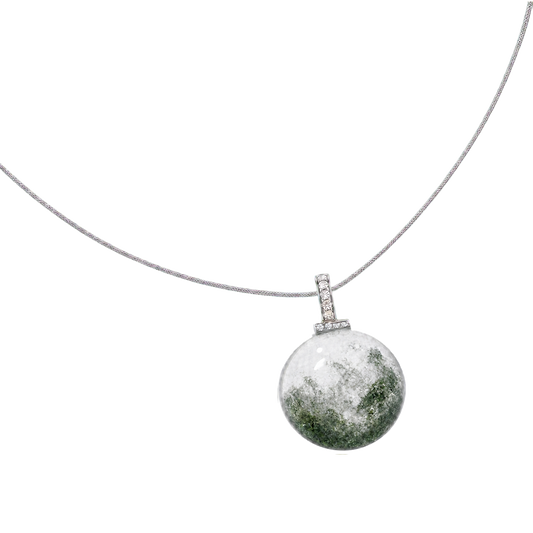
Phantom/Ghost Crystals (幽灵水晶) |
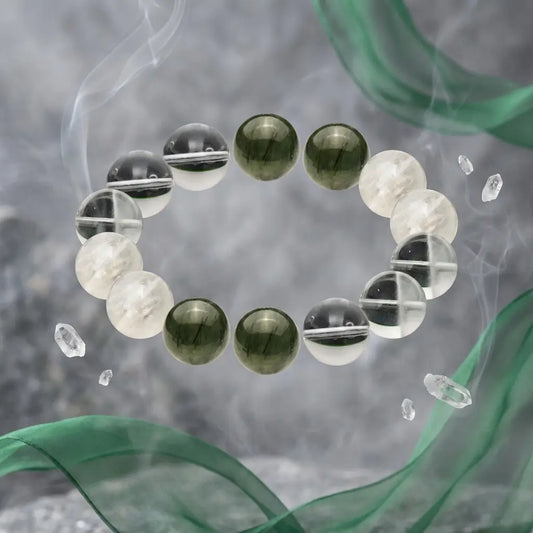
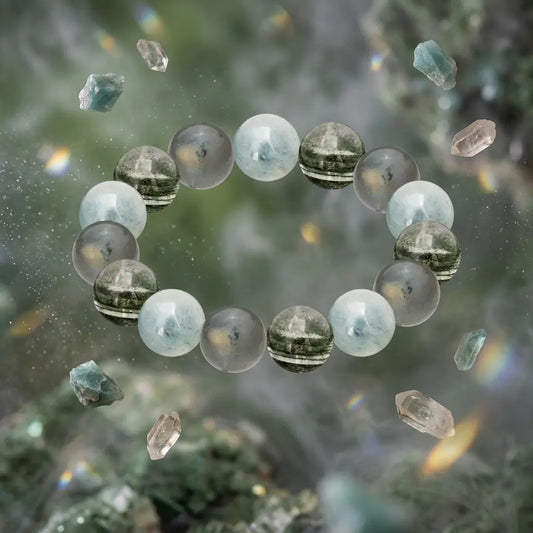
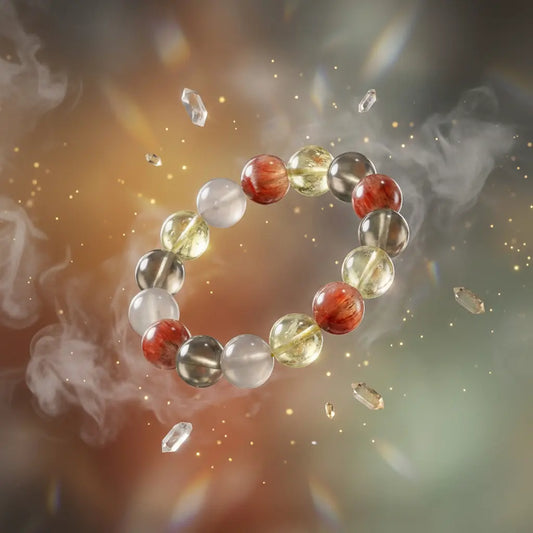
Named for the color of volcanic ash that settled on the crystal during pauses in its growth, creating phantom-like layers or shapes inside. <br> Examples: Green Phantom (绿幽灵), Red Phantom (红幽灵), Four Seasons Phantom (四季幽灵), which contains multiple colors. |
|
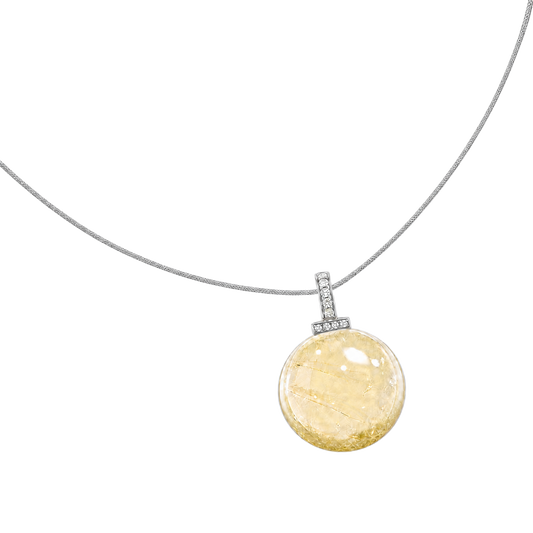
"Jiaohua" (胶花) Crystals |
Named for the color of flower-like inclusions that form due to geological stress and cracking during the crystal's growth. The naturally occurring colors are the basis for their names. <br> Examples: Yellow Jiaohua (黄胶花), Red Jiaohua (红胶花), White Jiaohua (白胶花), Colorful Jiaohua (彩胶花). <br> Note: Blue and green varieties are typically dyed. |
|
Enhydro ("Water Gall Bladder") Crystals (水胆水晶) |
Named for containing a trapped pocket—or "gall bladder"—of ancient liquid, gas, or even solid particles. The contents of the pocket give the specific name. <br> Examples: Gas-Liquid Enhydro (气液两相), Flowing Sand Enhydro (流沙水胆). |
|
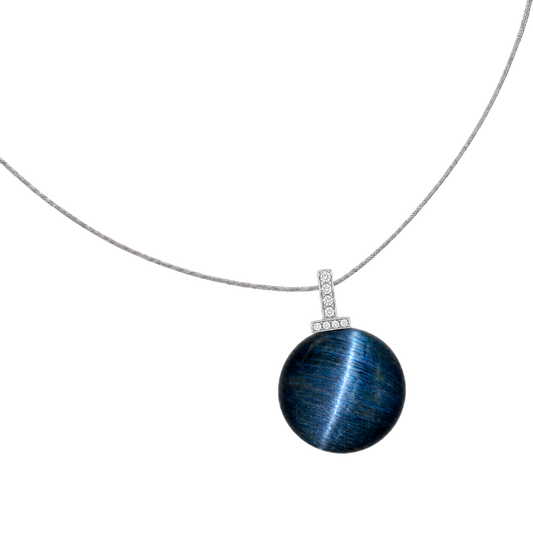
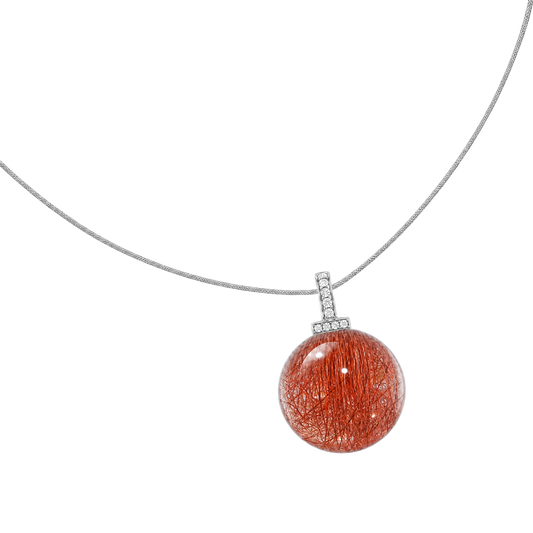
Needle Inclusion Crystals (蓝针红针水晶) |
A specific sub-type named for the dominant color of the extremely fine, needle-like mineral inclusions distributed throughout the crystal body. |
|
"Tree" Crystals (树晶) |
Named for inclusions that form patterns resembling elements of nature. The name is derived from what the inclusion looks like. <br> Examples: Inclusions that resemble pine needles, small trees, or seaweed. |
1.3. The Natural Form: Naming by Raw Crystal Shape
Sometimes, a crystal's name has nothing to do with its color or contents, but everything to do with the specific, naturally occurring geometric structure of the raw crystal itself. These names are typically used for uncut, unpolished specimens.
- Double Terminated Crystal: A crystal that is naturally pointed at both ends, rather than having one end attached to a rock base.
- Scepter Crystal: A crystal where a wider crystal termination has grown on top of a narrower crystal rod, resembling a royal scepter.
- Laser Wand: A long, slender crystal that tapers towards its termination, narrowing to a fine point.
- Generator Crystal: A crystal where the six faces at the tip meet perfectly in a single, central point.
From names based on physical appearance, we now turn to names derived from a crystal's home.
--------------------------------------------------------------------------------
2. Naming by Origin and Language: Where It's From and What It's Called
A crystal's identity is not just about what it looks like, but also where it comes from and how it is known globally. This leads to two other major naming conventions: one based on geography and the other on language.
2.1. Named for a Place: Terroir in Crystals
Just as a region can become famous for its wine, a specific location can become renowned for producing crystals of exceptional quality or in great abundance. When this happens, the location's name is added as a prefix to the crystal's name, following the formula "Place of Origin + Crystal Name". This prefix acts as a mark of high quality and has become an accepted standard in the market.
Here are a few of the most illustrative examples:
- Uruguayan Amethyst: Amethyst from Uruguay is famous for its deep, rich purple color.
- Brazilian Citrine: Brazil is renowned for producing large quantities of high-quality Citrine, known for its excellent clarity and rich, golden-orange hues.
- Madagascar Rose Quartz: Rose Quartz from Madagascar is highly sought after for its uniquely soft, pure pink color and exceptional clarity.
2.2. From Other Tongues: Translated Crystal Names
With a global market, some popular crystal names are simply direct translations or transliterations of their foreign names. These names are adopted "as is" and become the standard term used by collectors and sellers worldwide.
The most common examples you might encounter include:
- Auralite 23: A direct translation of the English trade name "Auralite 23".
- Super Seven: A direct translation of the English trade name "Super Seven".
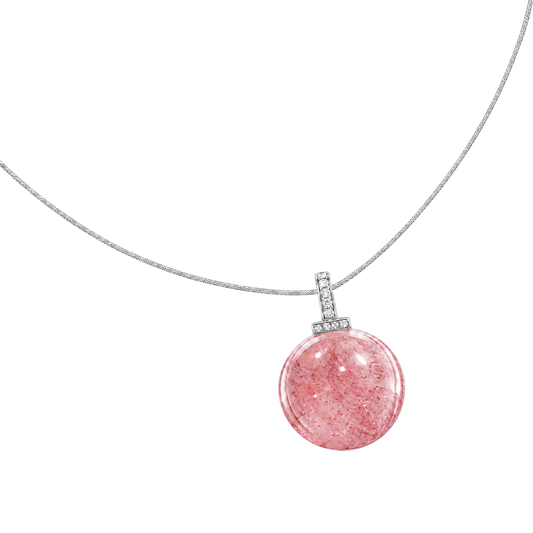
- Strawberry Quartz: A transliteration and translation of the English word "Strawberry," which the crystal's appearance is said to resemble.
--------------------------------------------------------------------------------
3. A Quick Clarification: "Crystal-Like" Gemstones
As you explore crystal shops, it's important to know that many popular stones sold alongside crystals are not, technically speaking, "crystal." True crystal is a form of quartz, which is the mineral silicon dioxide (SiO₂). However, the market broadly uses the term "crystal" to include a wide variety of other beautiful minerals. For a collector, knowing this distinction is key.
These "crystal-like" gemstones are simply other types of minerals with their own unique compositions and properties. Common examples include:
- Garnet (石榴石)
- Moonstone (月光石)
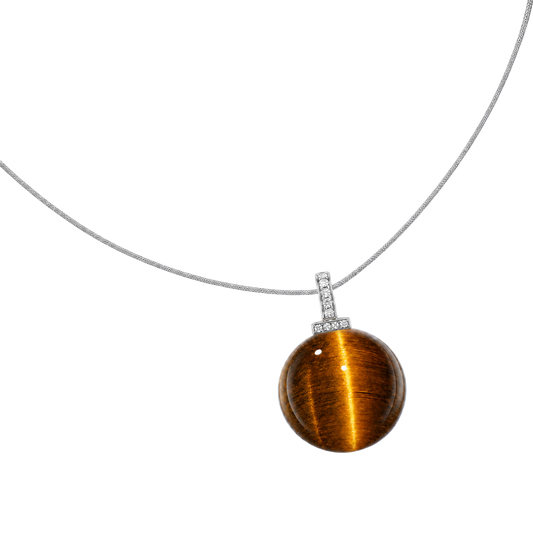
- Tiger's Eye (虎眼石)
--------------------------------------------------------------------------------
4. Conclusion: Your Framework for Understanding
Crystal names are not arbitrary mysteries but follow a clear and logical system. By understanding the three core naming patterns—based on visual traits (color, inclusions, and shape), geographical origin, and foreign language translations—you now have a powerful framework for making sense of the vast crystal kingdom.
With this structured knowledge, you are better equipped to identify specimens, appreciate their unique characteristics, and continue your journey into the world of crystals with greater clarity, confidence, and enjoyment.