A Beginner's Guide to the World of Crystals

1.0 Introduction: What Exactly is a Crystal?
Welcome to the luminous world of crystals! If you've ever been captivated by the clarity and color of these natural treasures, you're in the right place. In gemology, the crystals we will be discussing are minerals primarily composed of Silicon Dioxide (SiO₂) and belong to the Quartz mineral family. As one of the most abundant minerals on Earth, they form deep within the crust over millions of years.
So, what accounts for the breathtaking diversity we see, from deep purple Amethyst to fiery Gold Rutilated Quartz? The fascinating variety comes from the specific conditions under which a crystal grows, the presence of different trace elements that impart color, and the unique minerals or materials that can become trapped inside.
This guide will walk you through the fundamental ways crystals are classified, starting with the simplest and most intuitive method: identifying them by color.
2.0 The First Step in Identification: Classifying by Color
The most straightforward way to begin identifying crystals is by their color. According to geological classifications, there are seven main types of natural, "pure color" Quartz. It's important for beginners to know that naturally occurring, pure red or pure blue quartz are exceptionally rare, and specimens sold with these colors are almost always man-made.
The table below introduces the seven core colors you will encounter in the world of natural Quartz.
The 7 Core Colors of Natural Quartz
|
Crystal Name |
Color & Key Characteristic for Beginners |
|
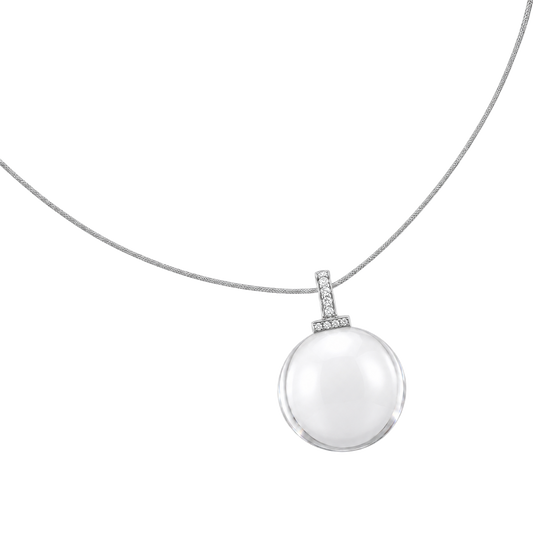
White Crystal (白水晶, bái shuǐjīng) |
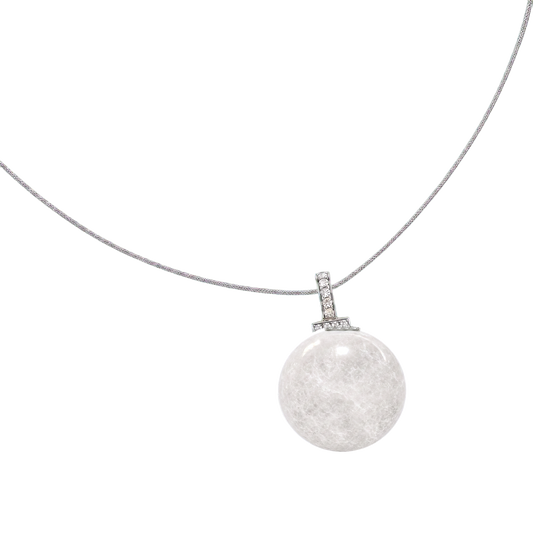
Can be completely clear and colorless or milky white. |
|
Smoky Quartz (茶晶, chá jīng) |
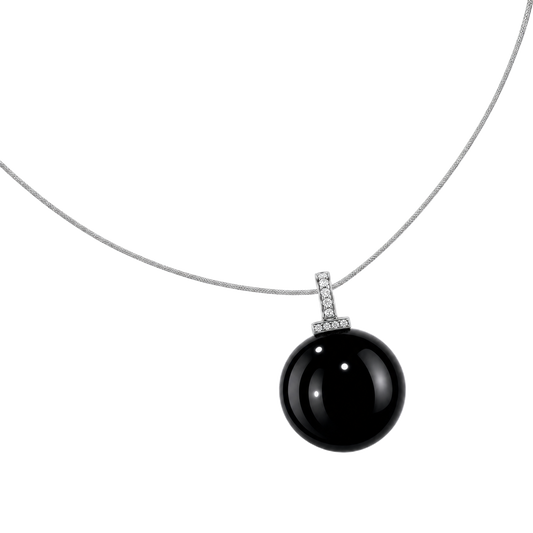
Varies from light brown to nearly black. Deep-colored varieties are also called mòjīng (墨晶, "ink crystal"). |
|
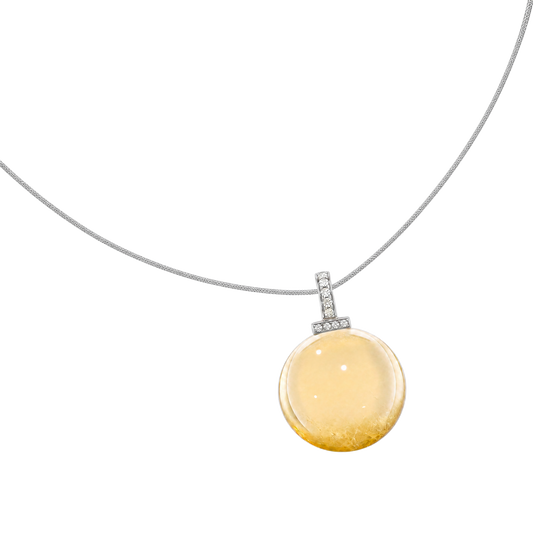
Citrine (黄水晶, huáng shuǐjīng) |
A sunny yellow to deep honey-orange. Also called "yellow gemstone" (黄宝石, huáng bǎoshí) and associated with wealth. |
|
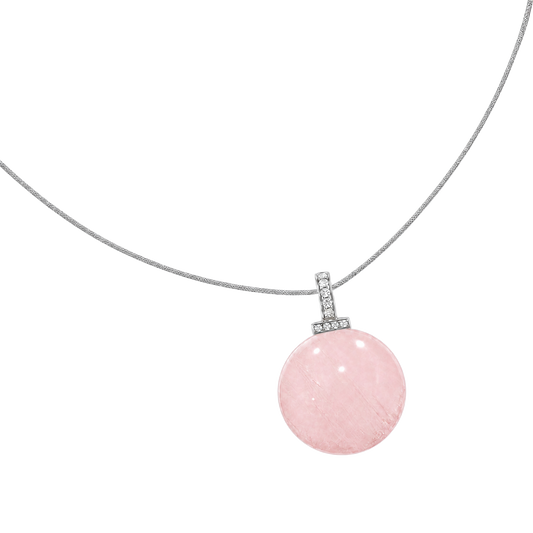
Rose Quartz (粉晶, fěn jīng) |
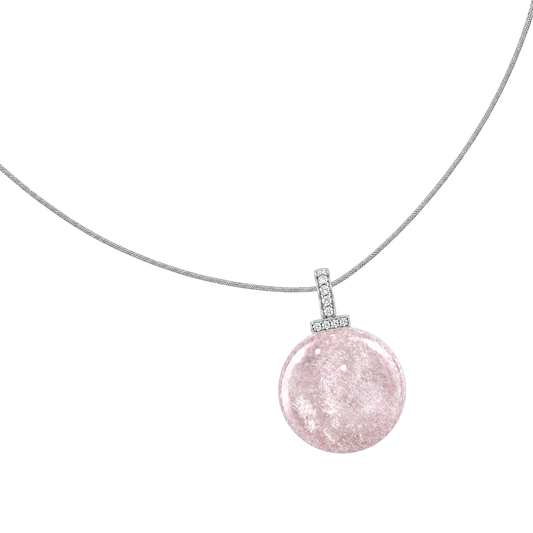
A delicate, gentle pink color. |
|
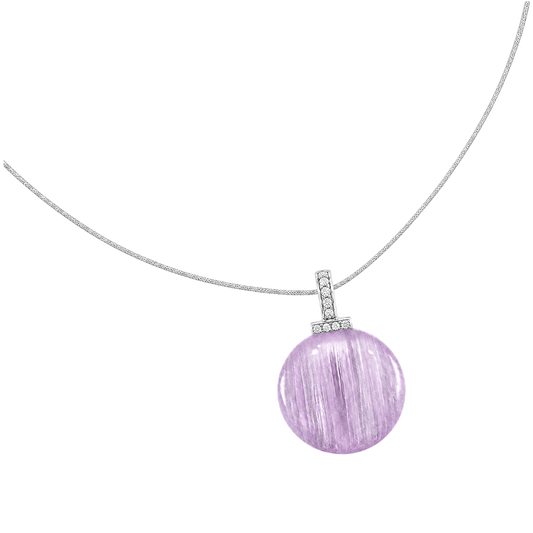
Amethyst (紫水晶, zǐ shuǐjīng) |
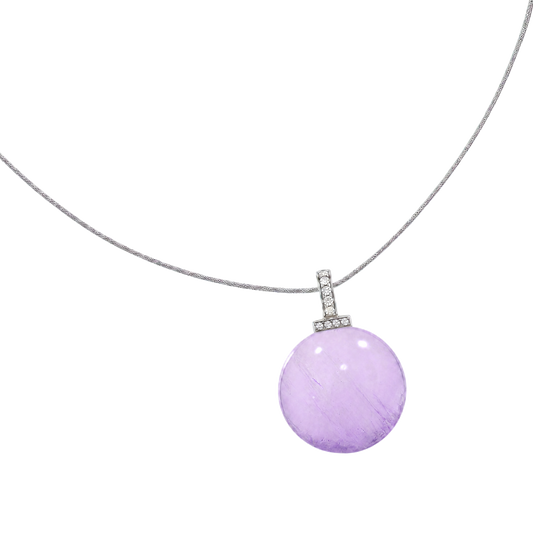
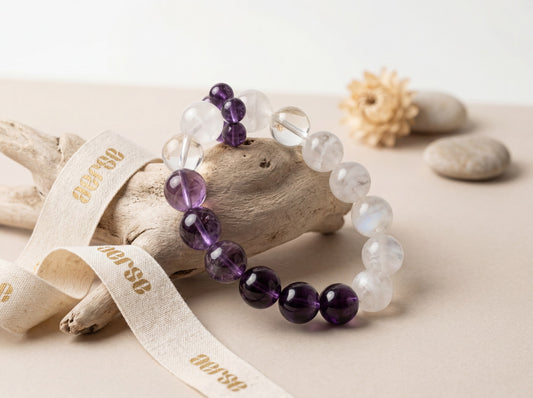
Ranges from a light lilac to a rich, deep purple. |
|
Ametrine (紫黄晶, zǐ huáng jīng) |
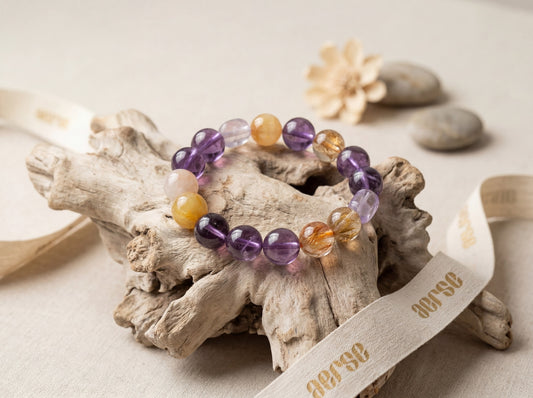
A fascinating mix of both purple (Amethyst) and yellow (Citrine) in a single crystal. |
|
Green Quartz (绿水晶, lǜ shuǐjīng) |
A distinct green color. |
Understanding these basic color categories is the perfect foundation. Now, let's look deeper inside the crystal to explore the even more intricate and visually stunning world of crystals with inclusions.
3.0 A World Within: Understanding Crystals with Inclusions
Beyond pure color, one of the most exciting aspects of crystal identification is the world of "included crystals" (包裹体水晶, bāoguǒ tǐ shuǐjīng). These are crystals that have trapped other minerals, gases, or liquids inside them as they grew. These inclusions create spectacular internal landscapes, patterns, and visual effects, forming a primary basis for how many crystals are categorized.
3.1 Phantom Crystals (幽灵水晶, yōulíng shuǐjīng)
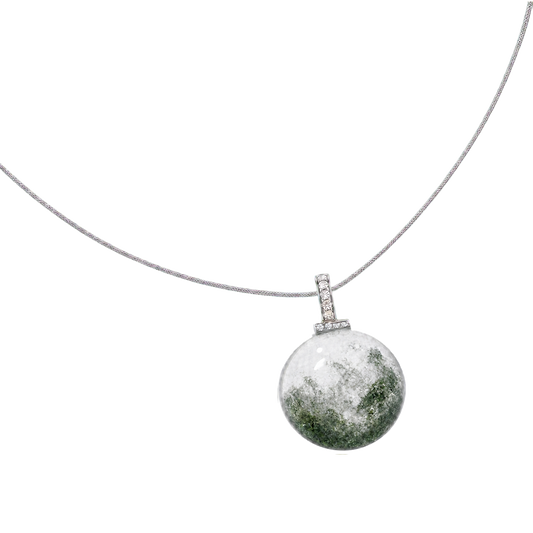
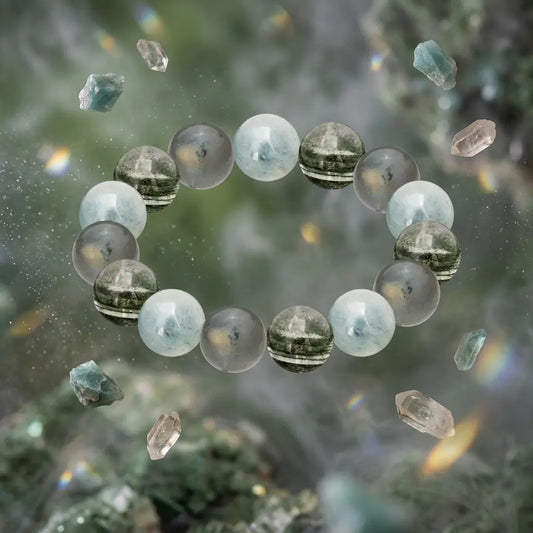
Phantom crystals are those in which the included minerals form distinct layers or shapes, often resembling miniature landscapes. Some of the most prized formations look like a "pyramid" (金字塔, jīnzìtǎ) or a "thousand-layer mountain" (千层山, qiān céng shān) suspended within the crystal. The primary colors for these phantoms are:
- Green
- Red
- Yellow
- White
Key Insight for Beginners: The visible layers inside a Phantom Crystal are a fossil record of the crystal's life. Each layer represents a pause in the crystal's growth, where a layer of another mineral was deposited before the crystal started growing again, creating a "ghost" or "phantom" of its earlier self within the final form.
3.2 Hair Crystals (发晶, fà jīng)
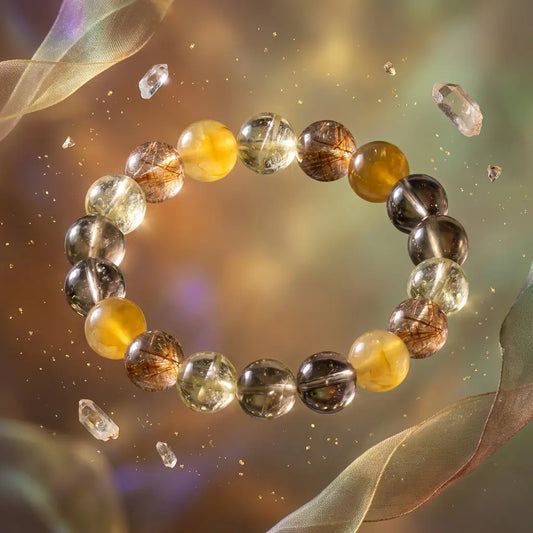
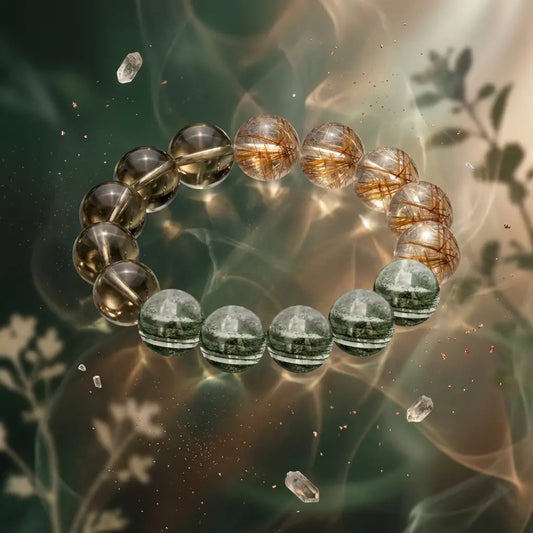
"Hair Crystal" is a broad category for quartz containing needle-like or hair-like strands of other minerals shooting through the main crystal body. These types include the well-known Rutilated and Tourmalinated Quartz. The name holds special significance: in Mandarin, "hair" (发, fà) has a nearly identical sound to the word for prosperity or wealth (发, fā, as in 发财, fā cái). This homophonic connection makes these crystals incredibly popular.
Here are three common types a beginner is likely to encounter:
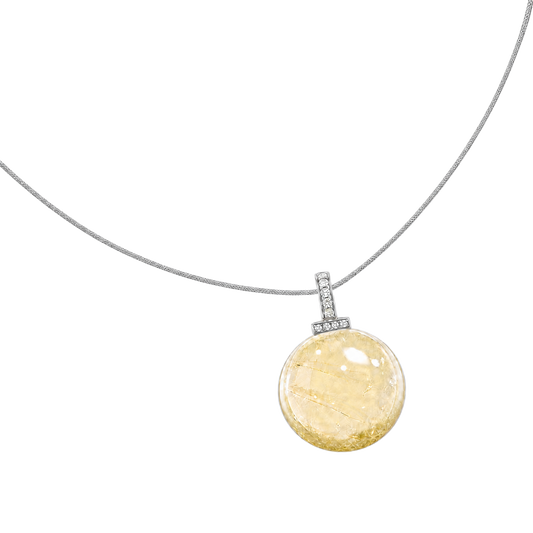
- Gold Rutilated Quartz (金发晶, jīn fà jīng): Contains beautiful, metallic strands of golden-yellow inclusions.
- Copper Rutilated Quartz (铜发晶, tóng fà jīng): Contains rich, copper-colored needle-like inclusions.
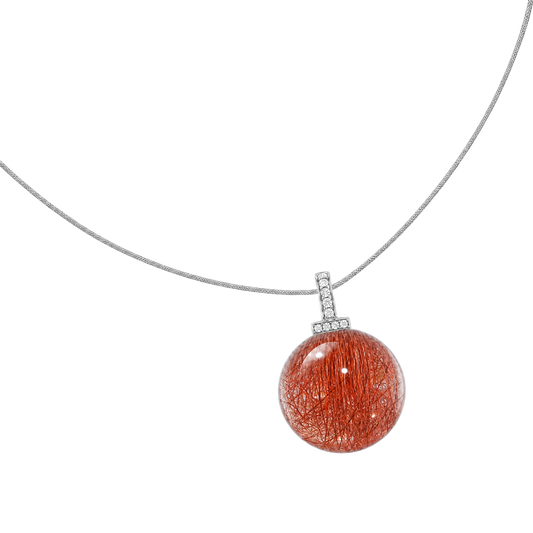
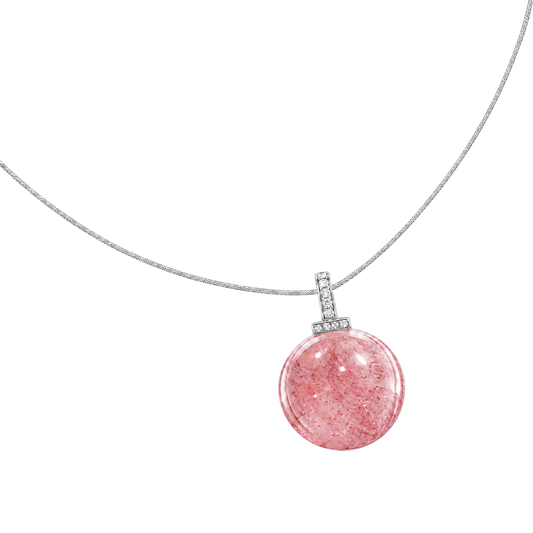
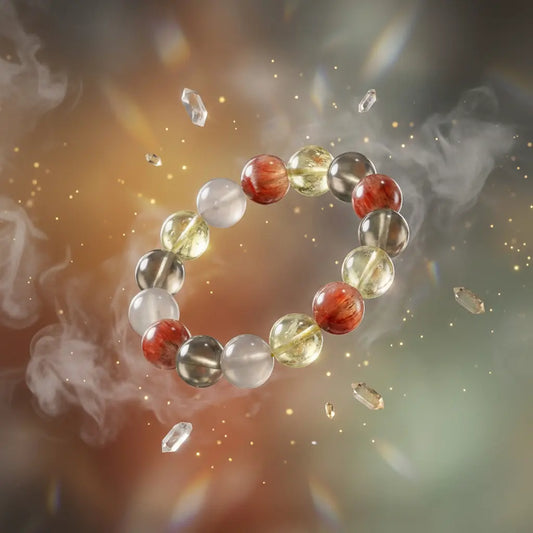
- Rabbit Hair Quartz (兔毛发晶, tùmáo fà jīng): Contains extremely fine, dense, and soft-looking mineral inclusions, giving it a downy appearance. Common examples include Red Rabbit Hair and White Rabbit Hair.
3.3 Water-Included and Garden Crystals (水胆水晶和树晶)
Two other remarkable types of included crystals are defined by their unique contents.
Water-Included Quartz (水胆水晶, shuǐ dǎn shuǐjīng) is a rare and special type of crystal that contains a trapped bubble of water from hundreds of millions of years ago (亿万年前, yì wàn nián qián). This ancient water can sometimes be seen moving within its small chamber inside the crystal.
Garden Quartz (树晶, shù jīng or 异象水晶, yìxiàng shuǐjīng) is a type of quartz with inclusions that look like miniature gardens, forests, or underwater seascapes. Its name comes directly from these beautiful, landscape-like scenes contained within the crystal.
Now that you can identify crystals by color and internal features, let's explore the simple logic behind how they get their specific names.
4.0 The Rules of the Name: How Crystals Get Their Names
Crystal naming might seem confusing at first, but it usually follows a few straightforward and logical patterns. Understanding these conventions can give you immediate clues about a crystal's appearance or origin.
-
Naming by Appearance (Color and Inclusions) The most common names are purely descriptive, combining visual traits. The basic formula is
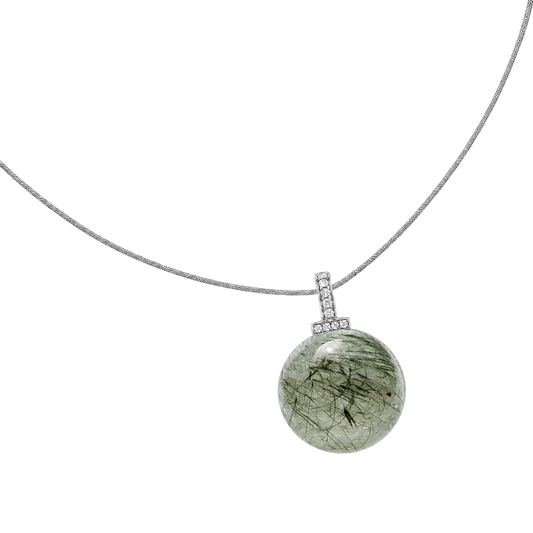
Color + Form + Crystal. For example, a crystal with green, hair-like inclusions is called Green Rutilated Quartz (绿发晶, lǜ fà jīng). In simpler cases, the name is just based on color, such as how a purple crystal is called Amethyst (紫水晶, zǐ shuǐjīng). - Naming by Form Only Sometimes, the shape or form of the inclusions is so distinctive that it becomes the primary name for the entire category. For instance, any crystal containing hair-like inclusions, regardless of color, can be broadly referred to as a "Hair Crystal" (发晶, fà jīng).
-
Naming by Place of Origin When a specific location becomes famous for producing crystals of exceptionally high quality, its name is often added to the crystal's name. This serves as a mark of quality and prestige by signaling a superior standard.
- Example 1: Amethyst from Uruguay is known for its deep and vibrant purple color, so it is marketed as Uruguay Amethyst (乌拉圭紫水晶, Wūlāguī zǐ shuǐjīng).
- Example 2: Rose Quartz from Madagascar is renowned for its beautiful, rich pink hue, leading to the name Madagascar Rose Quartz (马达加斯加粉晶, Mǎdájiāsījiā fěn jīng).
5.0 A Note on Crystal Look-Alikes
As you explore shops and collections, you will often find many other beautiful gemstones sold alongside crystals. For a beginner, it's helpful to know that while they are all minerals, many are not technically Quartz. The defining feature of Quartz is its chemical composition: Silicon Dioxide. Gemstones with a different chemical makeup are classified as something else.
Common examples of non-Quartz gemstones you might see include:
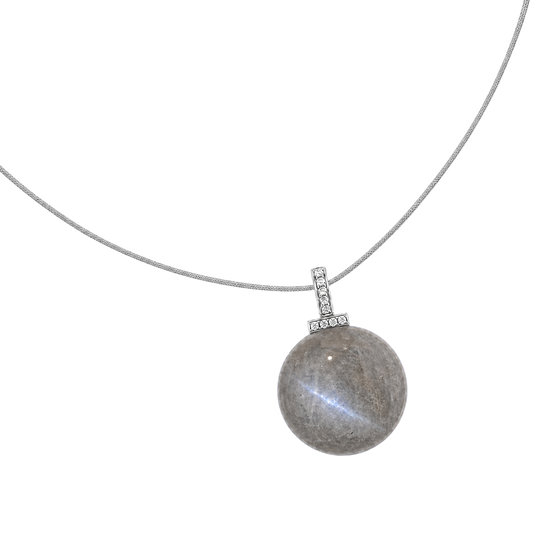
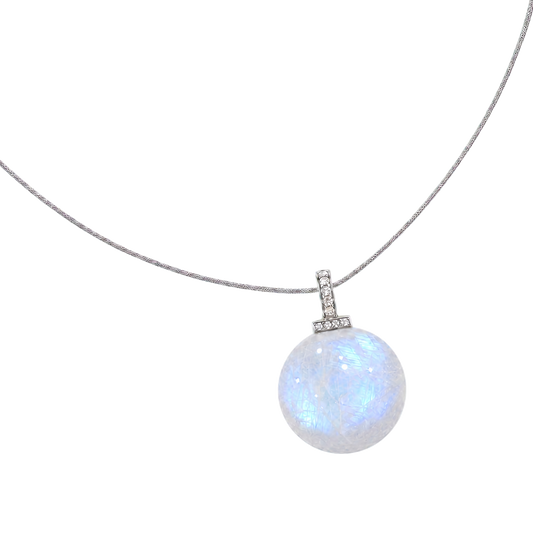
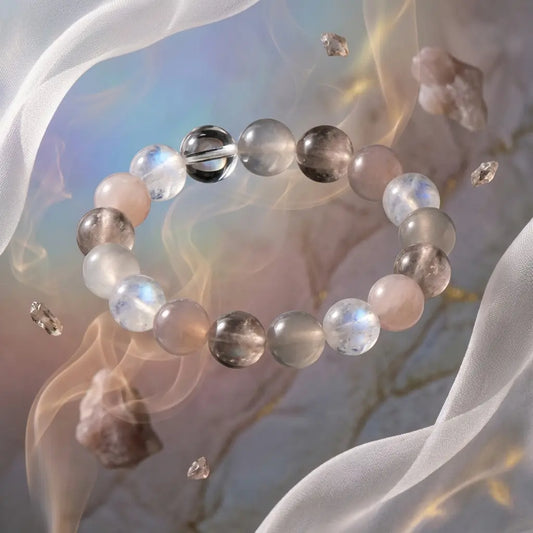
- Moonstone (月光石, yuèguāng shí)
- Garnet (石榴石, shíliú shí)
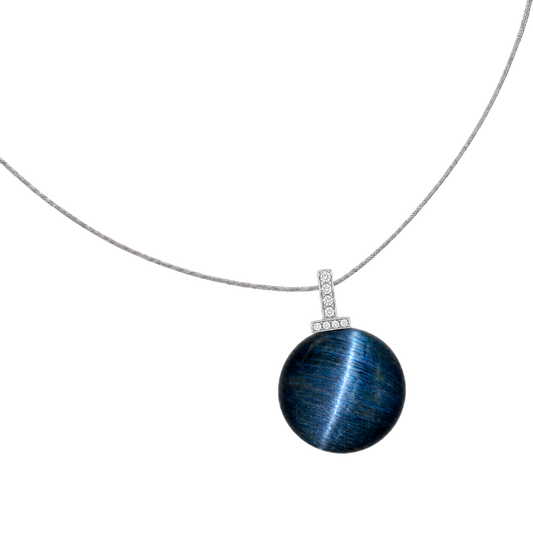
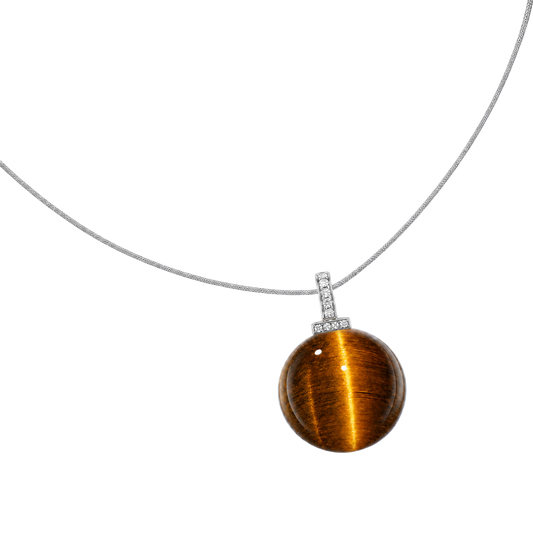
- Tiger's Eye (虎眼石, hǔ yǎn shí)
- Tourmaline (碧玺, bì xǐ)
- Lapis Lazuli (青金石, qīngjīnshí)
- Obsidian (黑曜石, hēiyàoshí)
Recognizing this distinction is a key step in building your knowledge.
6.0 Conclusion: Your Journey Begins
You now have the fundamental building blocks for understanding the vast and beautiful world of crystals. By learning to identify them by their color and the incredible world of inclusions they hold, you can begin to appreciate the unique story each crystal tells. Furthermore, knowing that their names often give clues to their appearance or high-quality origin provides a logical framework for your learning.
This is just the beginning of a rewarding journey. With this foundational knowledge, you are well-equipped to explore, identify, and appreciate the endless variety of crystals with a confident and curious eye.